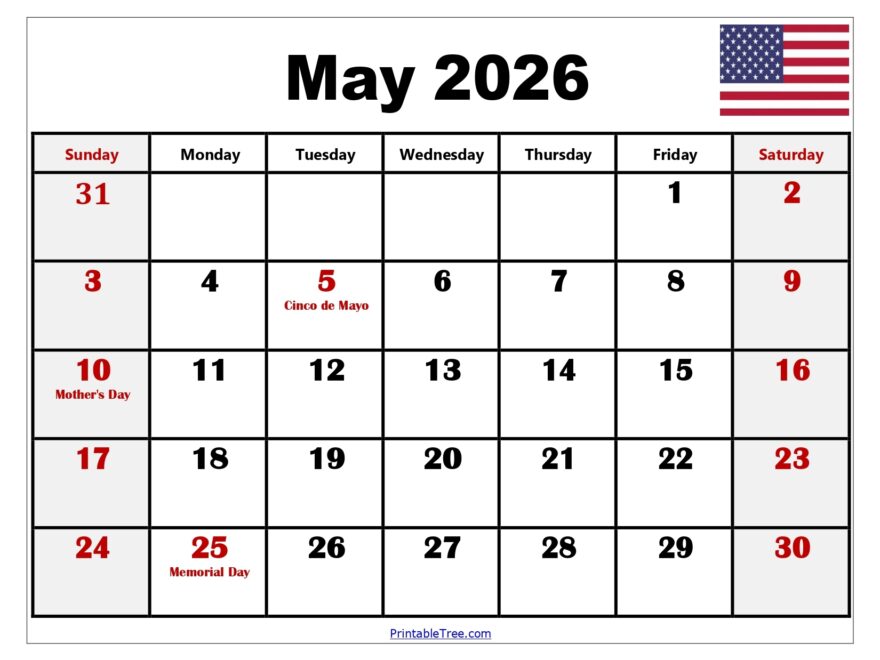
Did you know that historical events are often dated differently due to changes in calendar systems over time? The Julian calendar, introduced by Julius Caesar in 46 BC, is one such example.
On 1st May 2026 in the Julian calendar, it corresponds to a date in the Gregorian calendar. This shift in dates can sometimes cause confusion when trying to accurately pinpoint events in history.
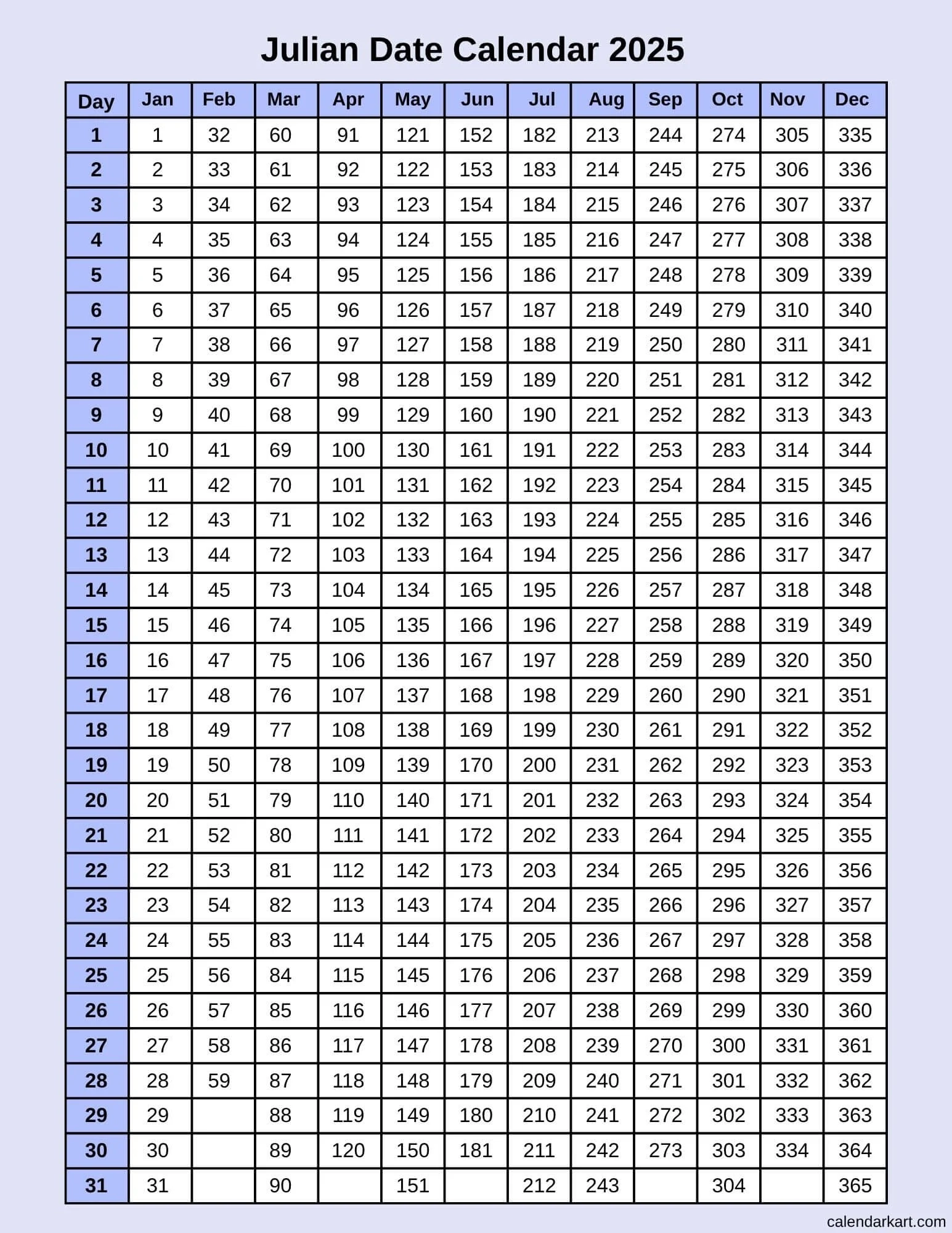
1st May 2026 In Julian Calendar
1st May 2026 In Julian Calendar
In the Julian calendar, 1st May 2026 falls on a different date than it would in the Gregorian calendar. This difference highlights the importance of understanding historical context when interpreting dates and events.
When studying historical documents or events, it’s crucial to consider the calendar system in use at that time. This attention to detail ensures accurate dating and a better understanding of the timeline of history.
By recognizing the differences between calendar systems, historians and researchers can avoid inaccuracies when dating events. This awareness of historical context adds depth and clarity to our understanding of the past.
Next time you come across a date in history, take a moment to consider the calendar system in use at that time. It’s a small detail that can make a big difference in accurately interpreting historical events.
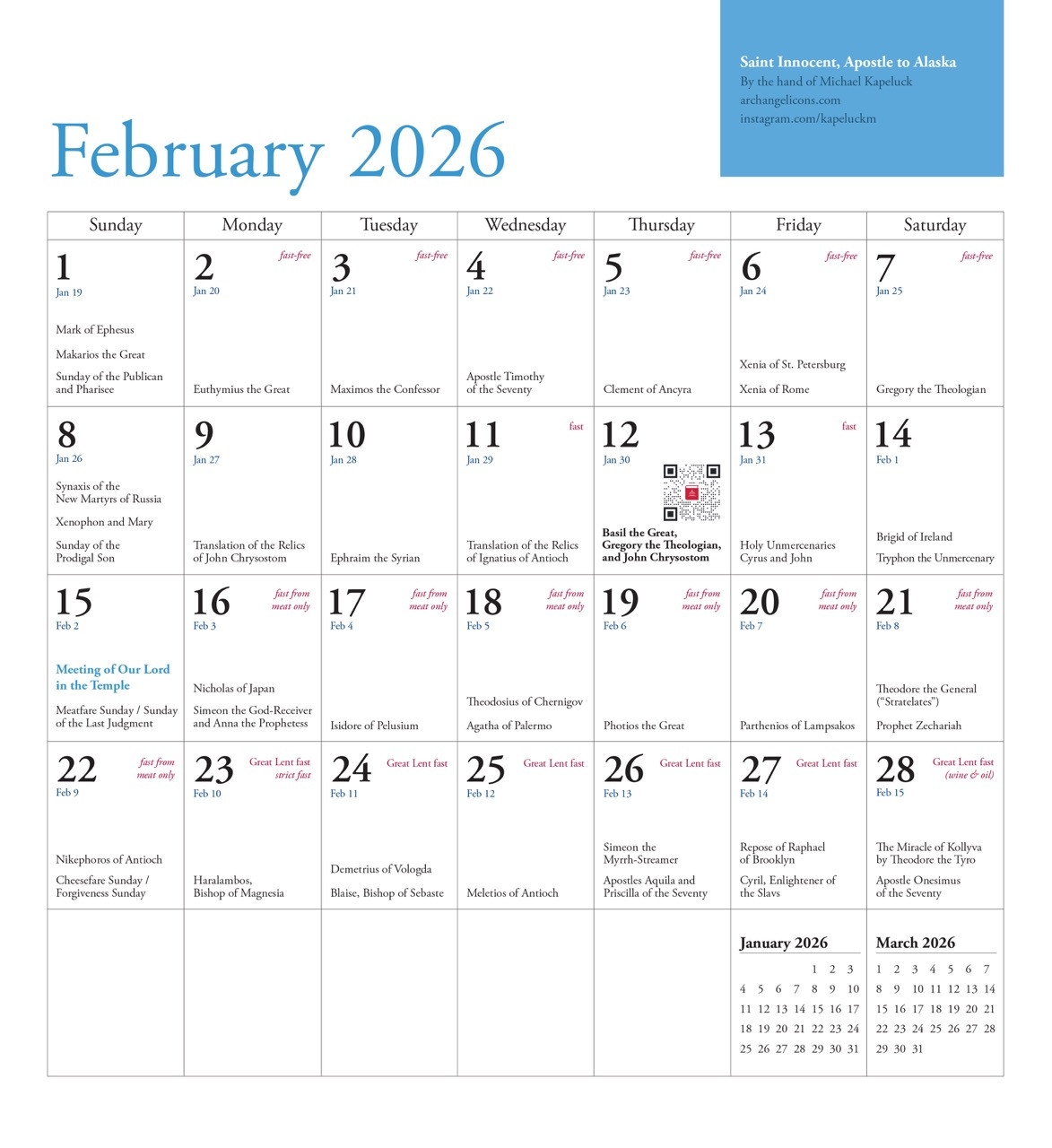
2026 Icon Calendar Saints Of North America Julian Version Old
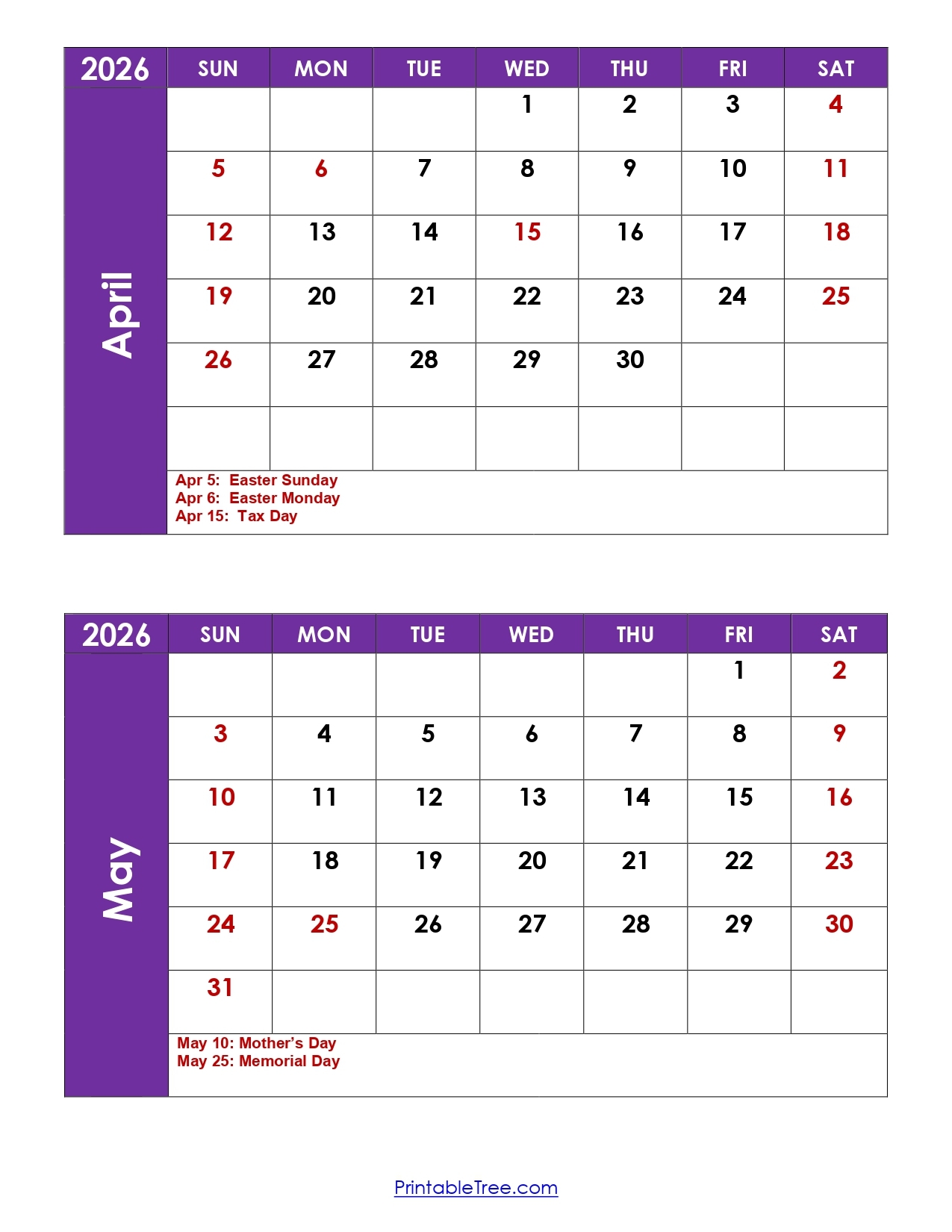
April And May 2026 Calendar Printable PDF Two Months Calendar
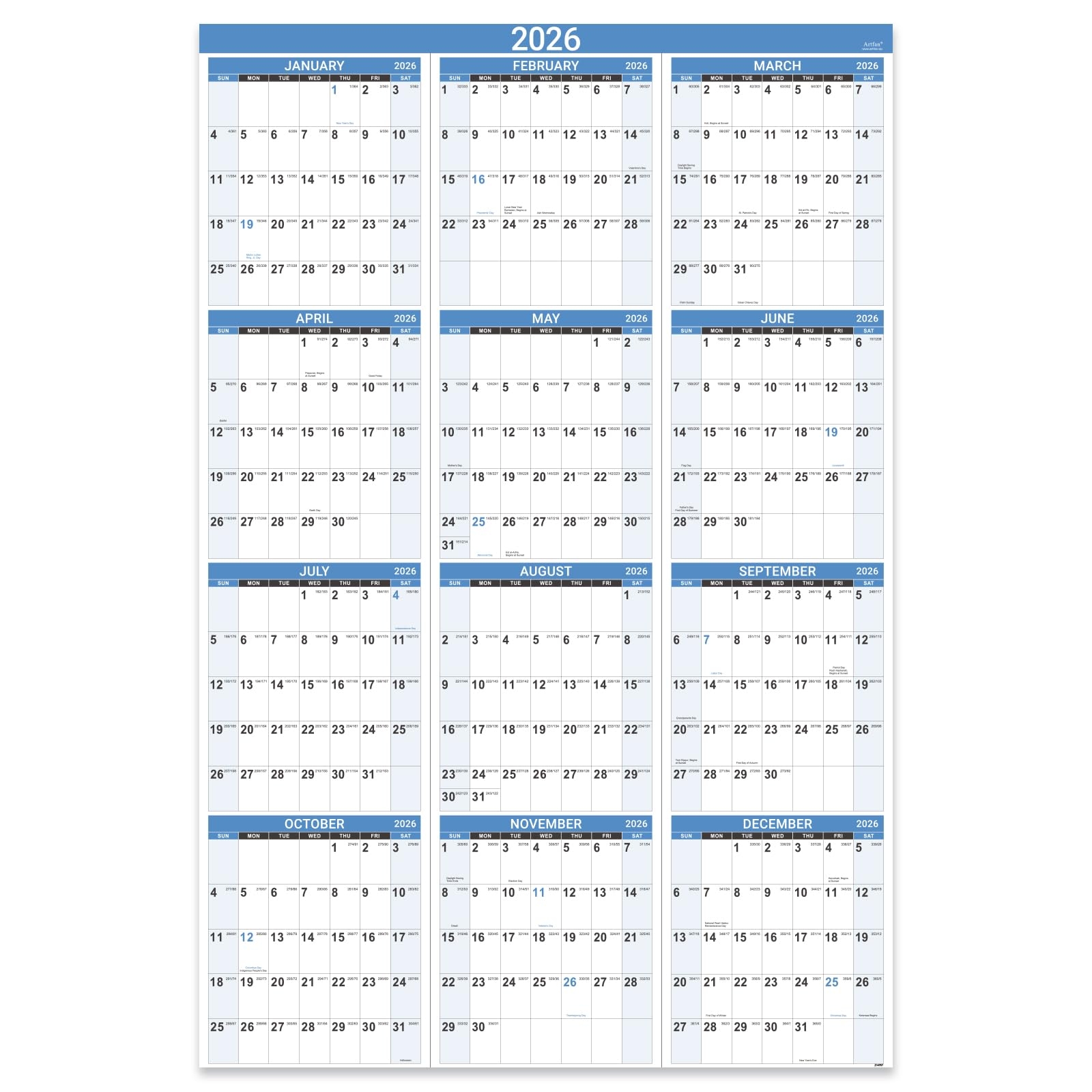
2026 Yearly Wall Calendar 2026 Wall Calendar With Julian Date Jan 2026 Dec 2026 One Page For Organizing Premium Thick Paper Vertical Gift
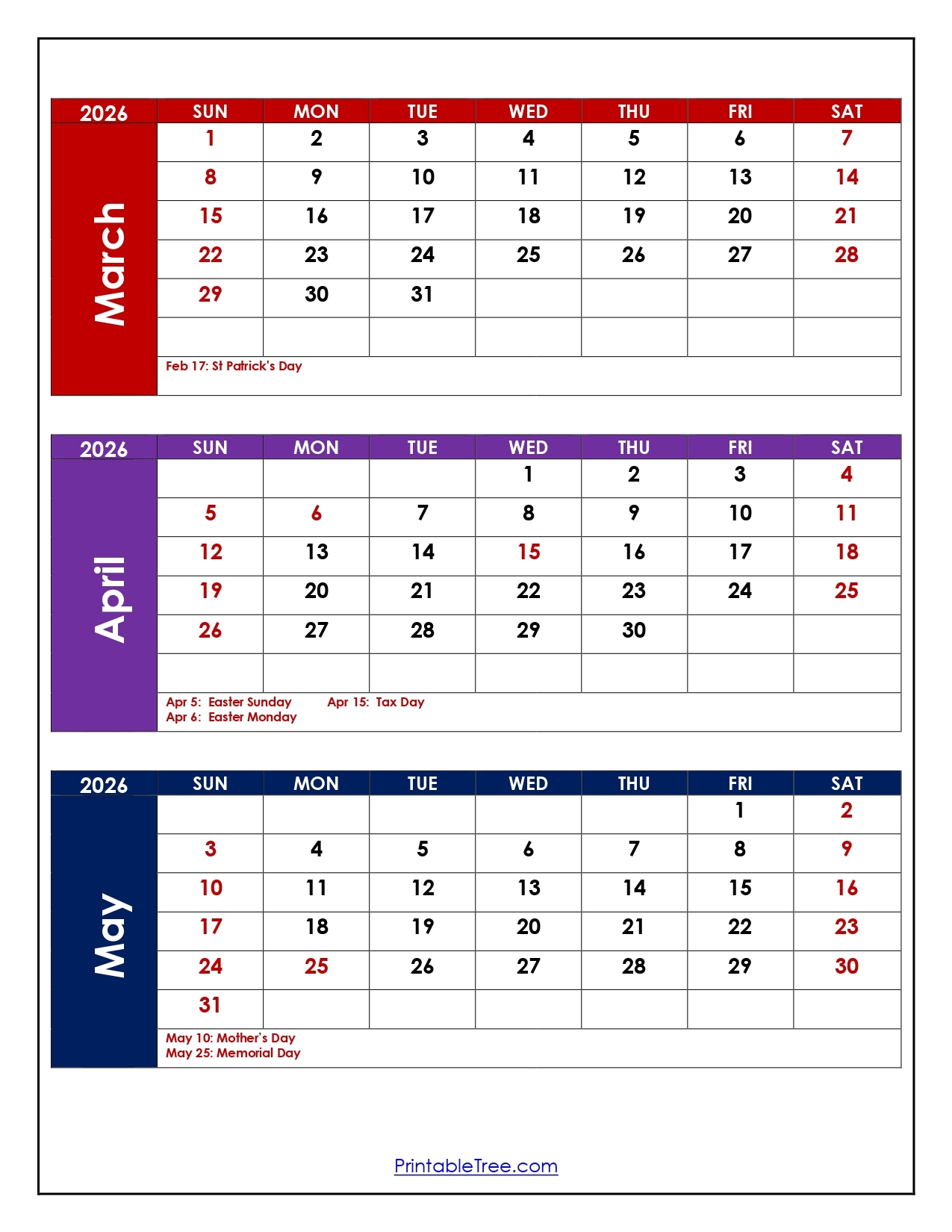
March To May 2026 Calendar Three Month Calendar
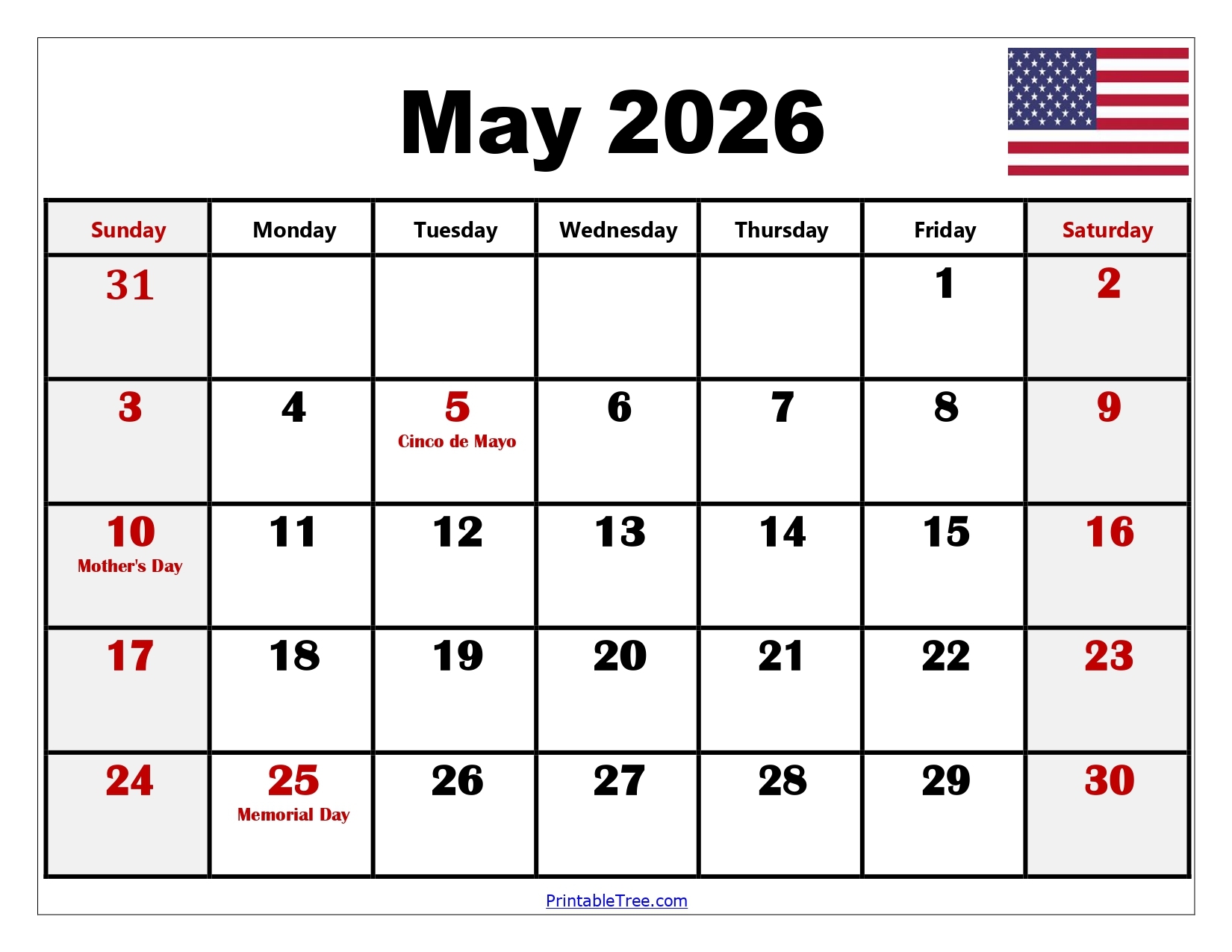
May 2026 Calendar Printable PDF With Holiday Templates Free