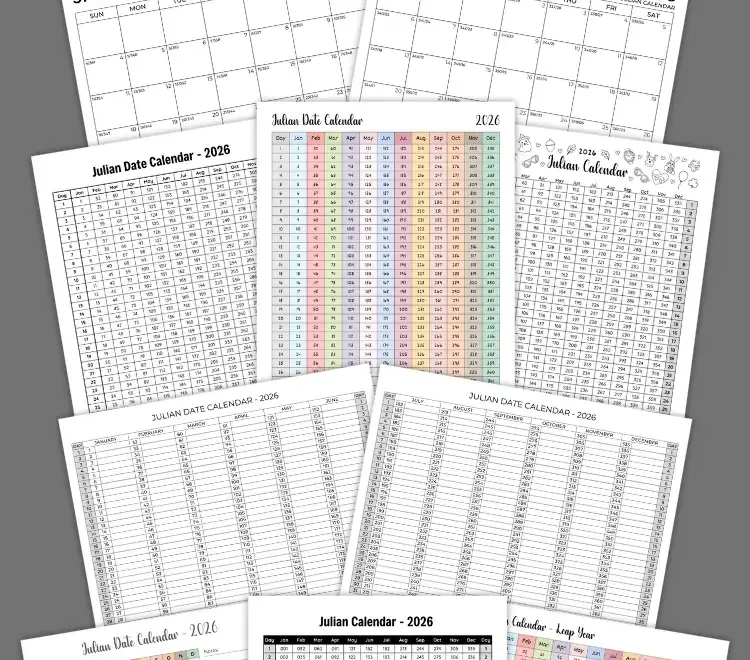
Have you ever wondered about the history of the Julian calendar and its impact on our modern-day calendar system? The year 2026 BC was a significant time in the development of the calendar we use today.
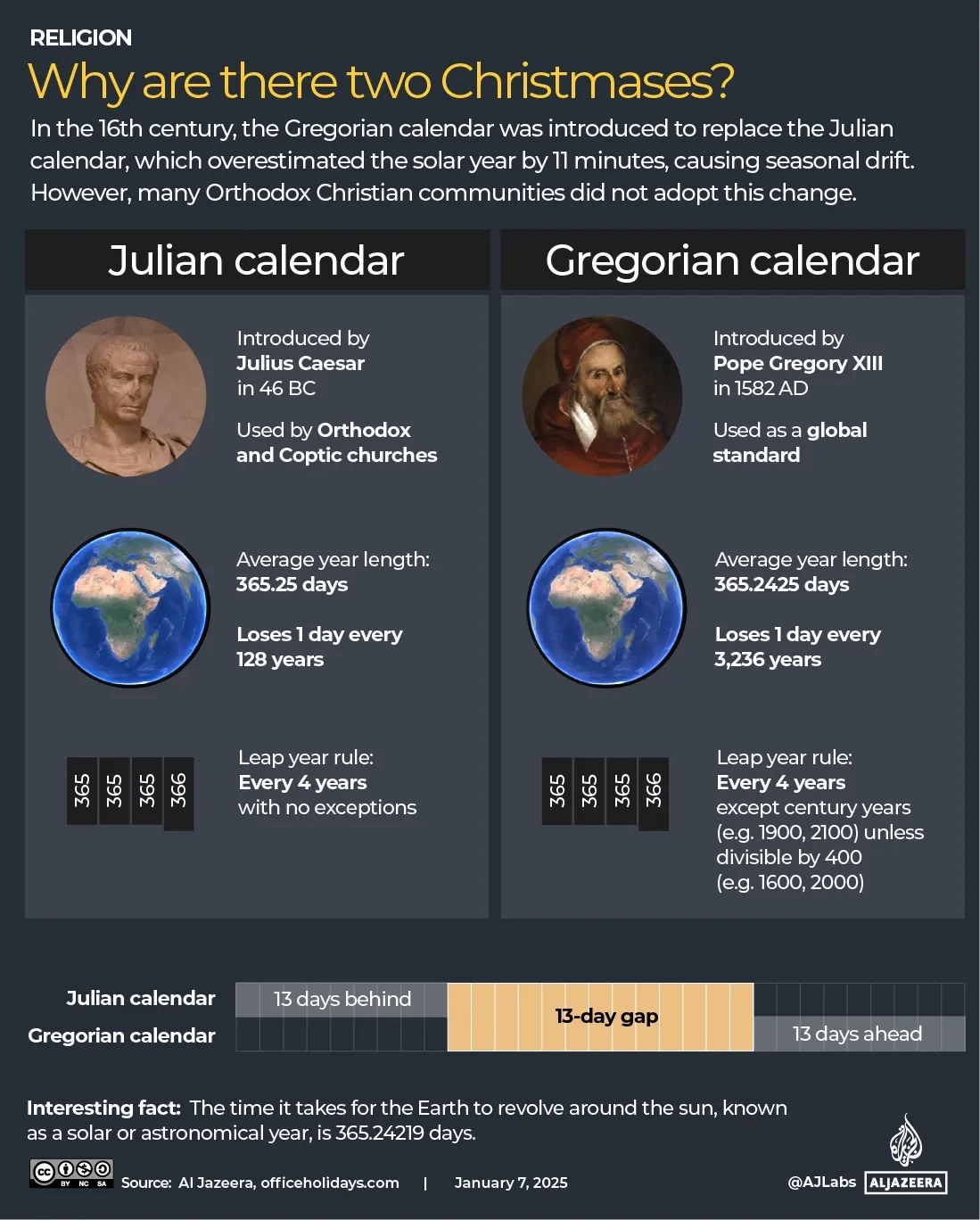
During this period, the Julian calendar was introduced by Julius Caesar in 46 BC, which marked the start of a new era in timekeeping. It was based on the Egyptian solar calendar and helped to reform the Roman calendar.
2026 Bc Julian Calendar
Exploring the 2026 BC Julian Calendar
The Julian calendar consisted of 365 days in a year, with an additional leap day added every four years to account for the extra time it takes for Earth to orbit the sun. This adjustment helped to align the calendar more closely with the solar year.
By establishing a more accurate calendar system, Julius Caesar and his astronomers were able to better predict the changing seasons and agricultural cycles. This innovation had a profound impact on society, shaping how we organize time and plan our lives.
Today, the Gregorian calendar, which is based on the Julian calendar, is widely used around the world. It has become the standard for international business, travel, and communication, demonstrating the lasting legacy of the 2026 BC Julian calendar.
In conclusion, the Julian calendar introduced in 2026 BC laid the foundation for the way we measure time today. Its influence can still be seen in our daily lives, reminding us of the importance of accurate timekeeping and calendar systems.
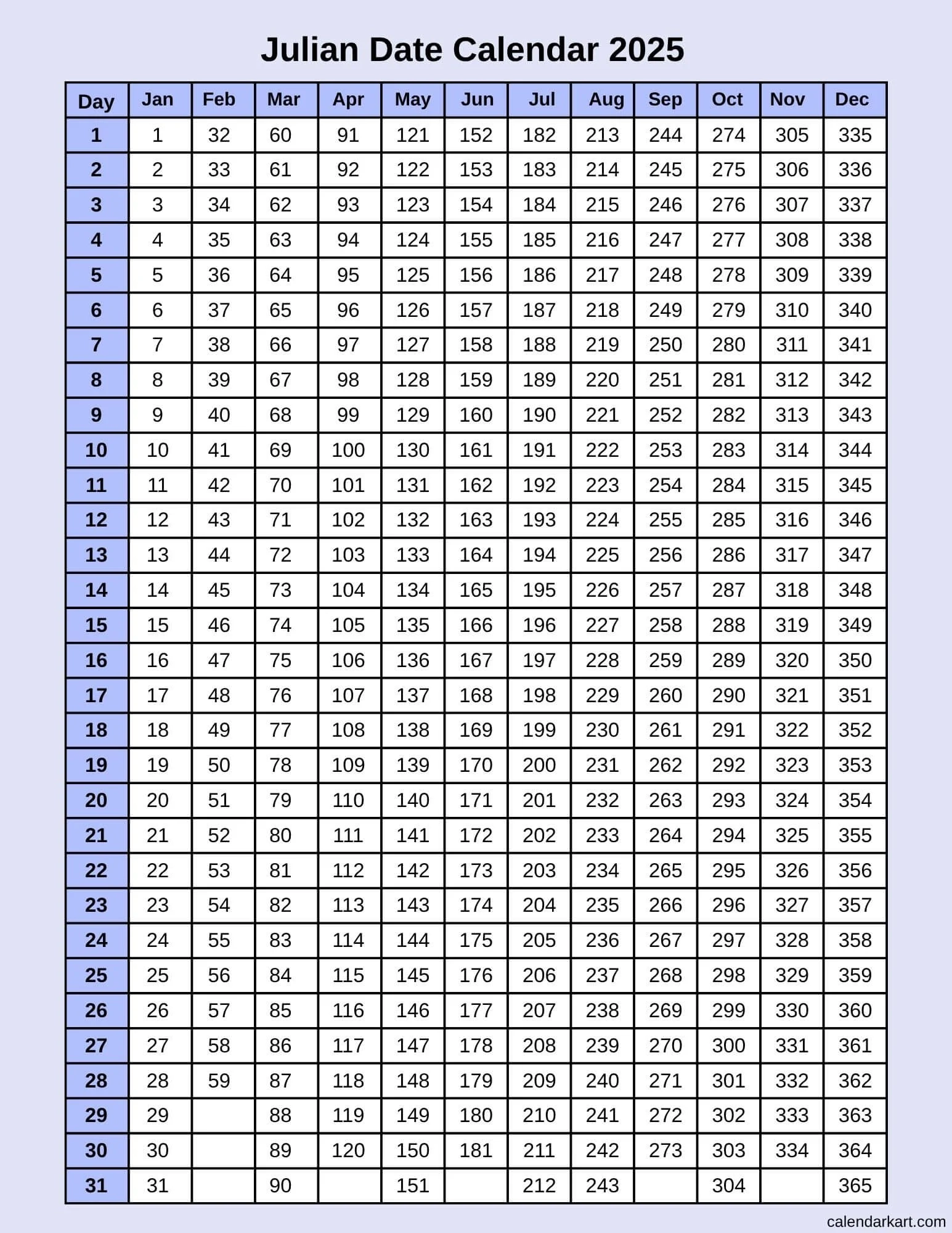
Today s Julian Date 2025 Julian Calendar Converter CalendarKart
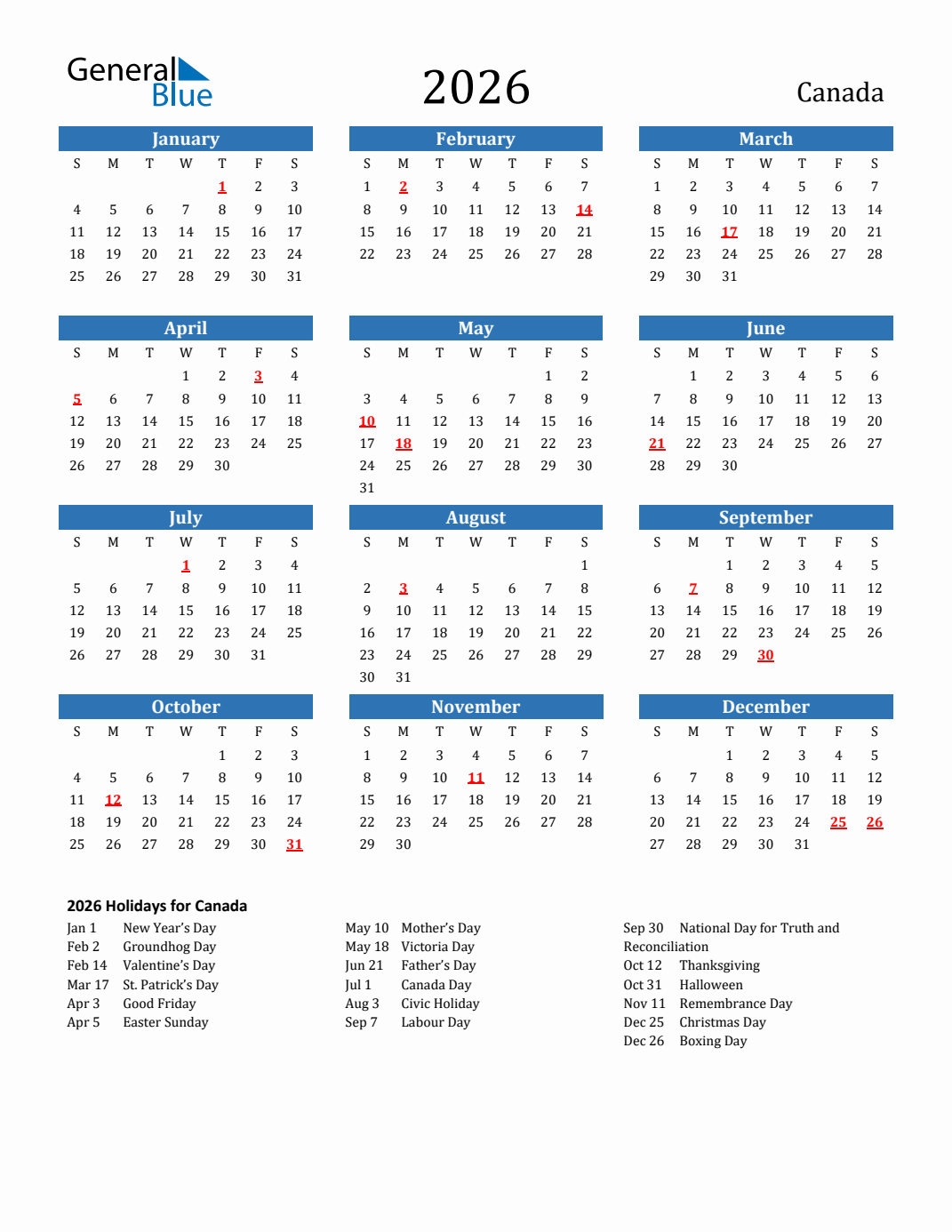
2026 Canada Calendar With Holidays
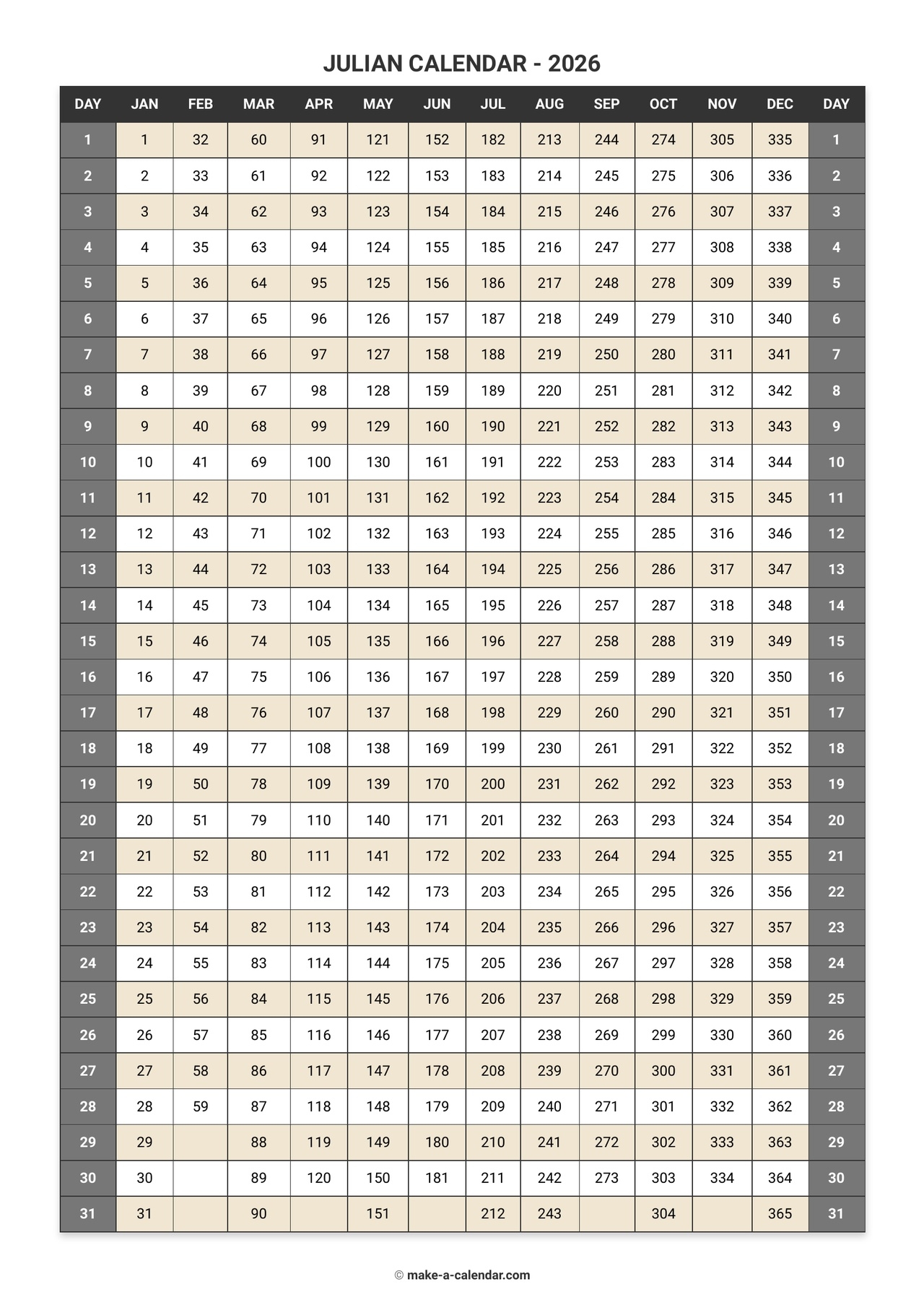
Julian Calendar 2026 Date Calculator amp Converter
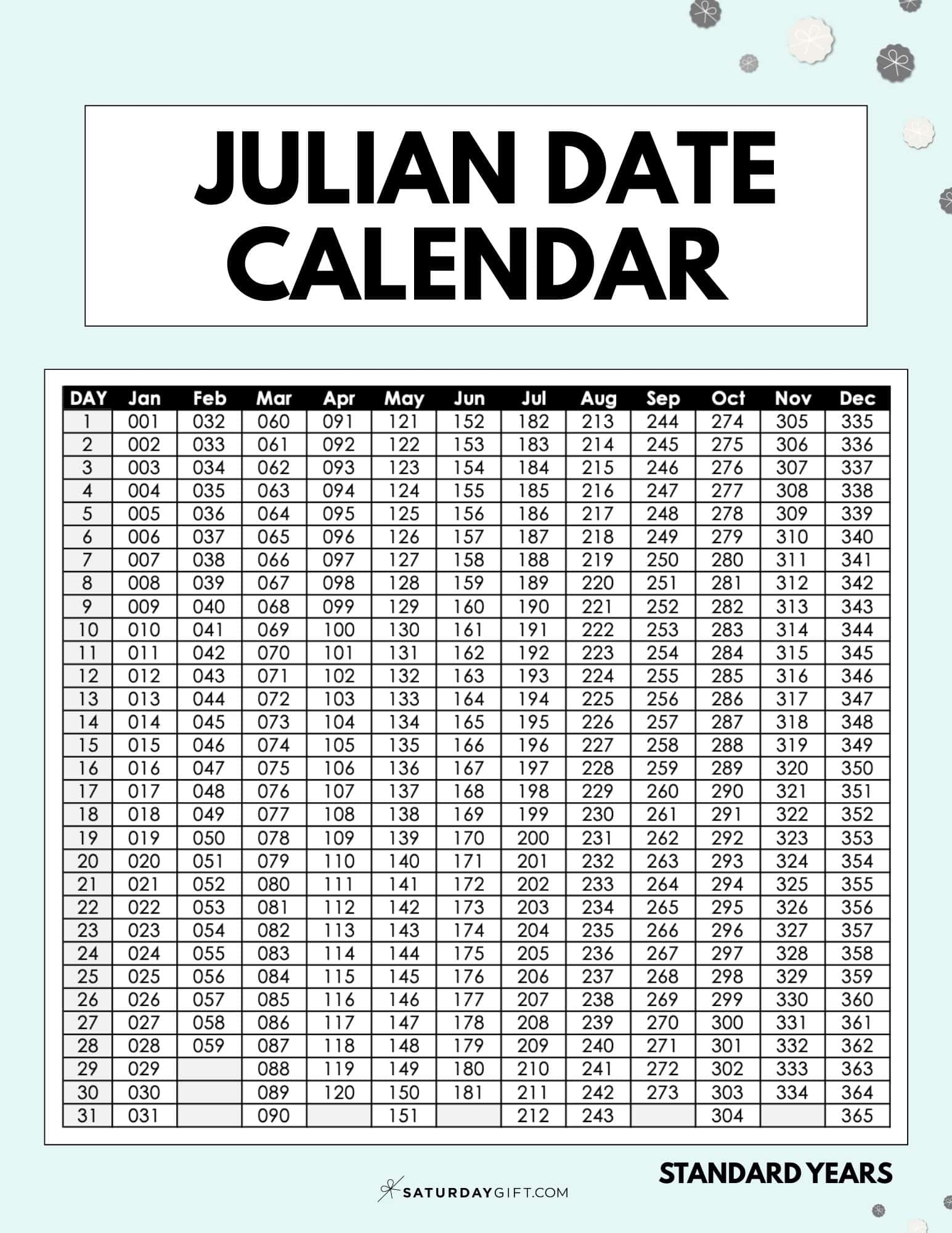
Julian Date Calendar Printable Free Day of Year Calendars
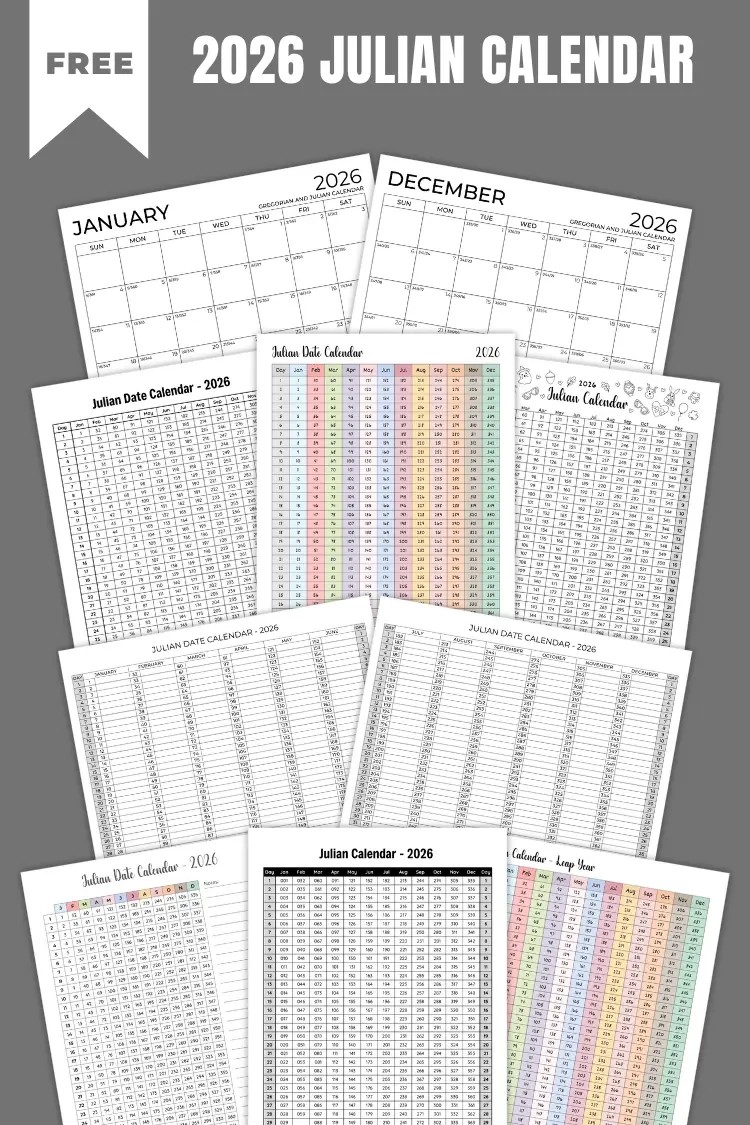
Julian Calendar 2026 Free PDF Printables