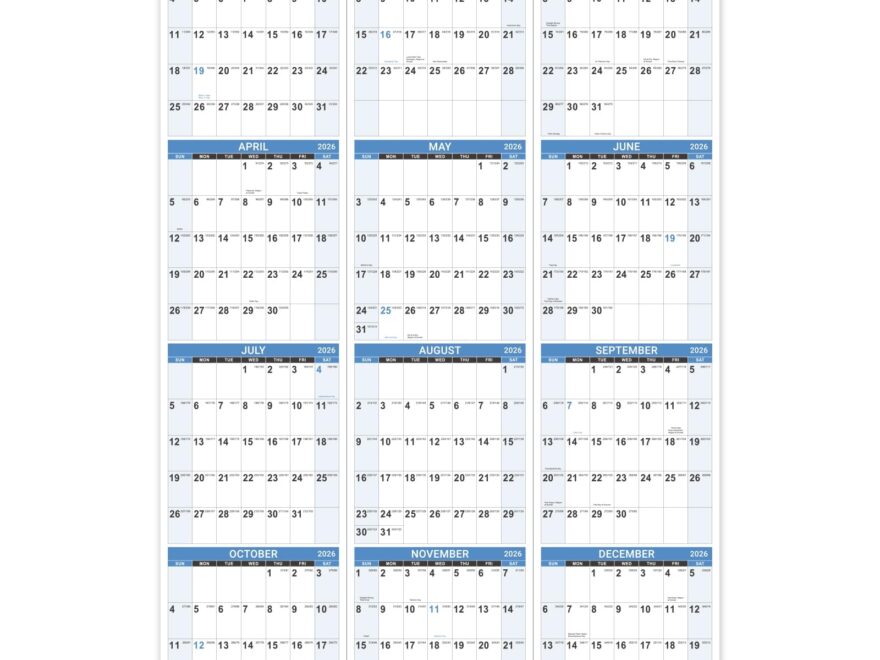
Are you curious about the Julian Calendar and what 2026 has in store? Let’s dive into the details and explore what this ancient calendar system has to offer in the upcoming year.
The Julian Calendar, named after Julius Caesar, is a calendar system introduced in 46 BC. While it has been replaced by the Gregorian Calendar in most parts of the world, it is still used for some religious holidays and historical events.
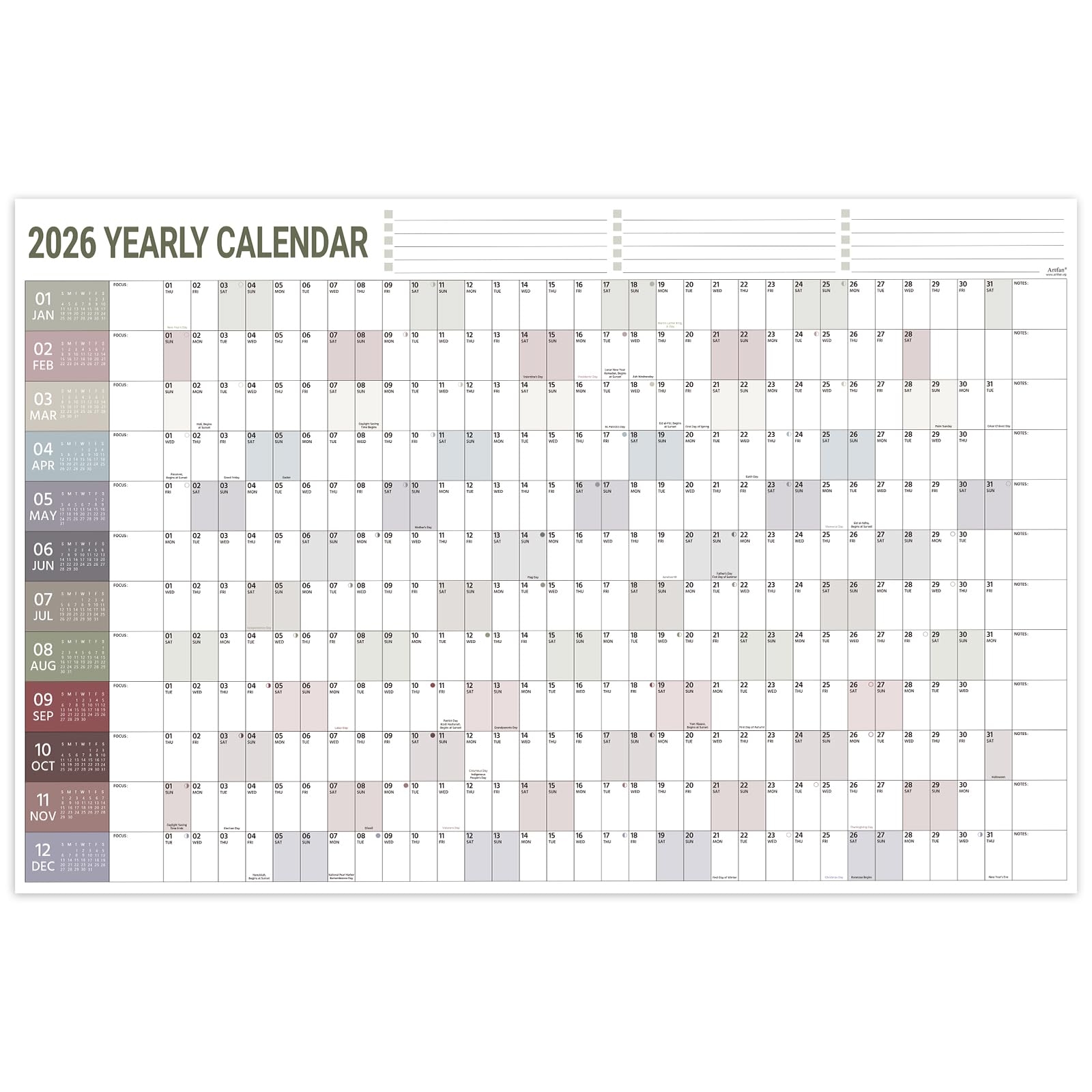
Julian Calendar 2026 Julian Calendar 2026
Julian Calendar 2026
In 2026, the Julian Calendar will follow its usual pattern of 365 days. This means that it will have 12 months, with each month varying in length. The calendar will start on a Sunday, January 1st, and end on a Saturday, December 31st.
One interesting fact about the Julian Calendar is that it doesn’t account for leap years as accurately as the Gregorian Calendar. This discrepancy has led to a drift in the calendar system over the centuries, causing it to fall out of sync with the solar year.
Despite its limitations, the Julian Calendar continues to be used in various Orthodox Christian traditions and for historical purposes. It provides a unique perspective on timekeeping and offers a glimpse into the ancient world’s understanding of the passage of time.
As we look ahead to 2026, let’s appreciate the rich history and cultural significance of the Julian Calendar. While it may not be as widely used as it once was, it still holds a special place in our collective understanding of time and tradition.
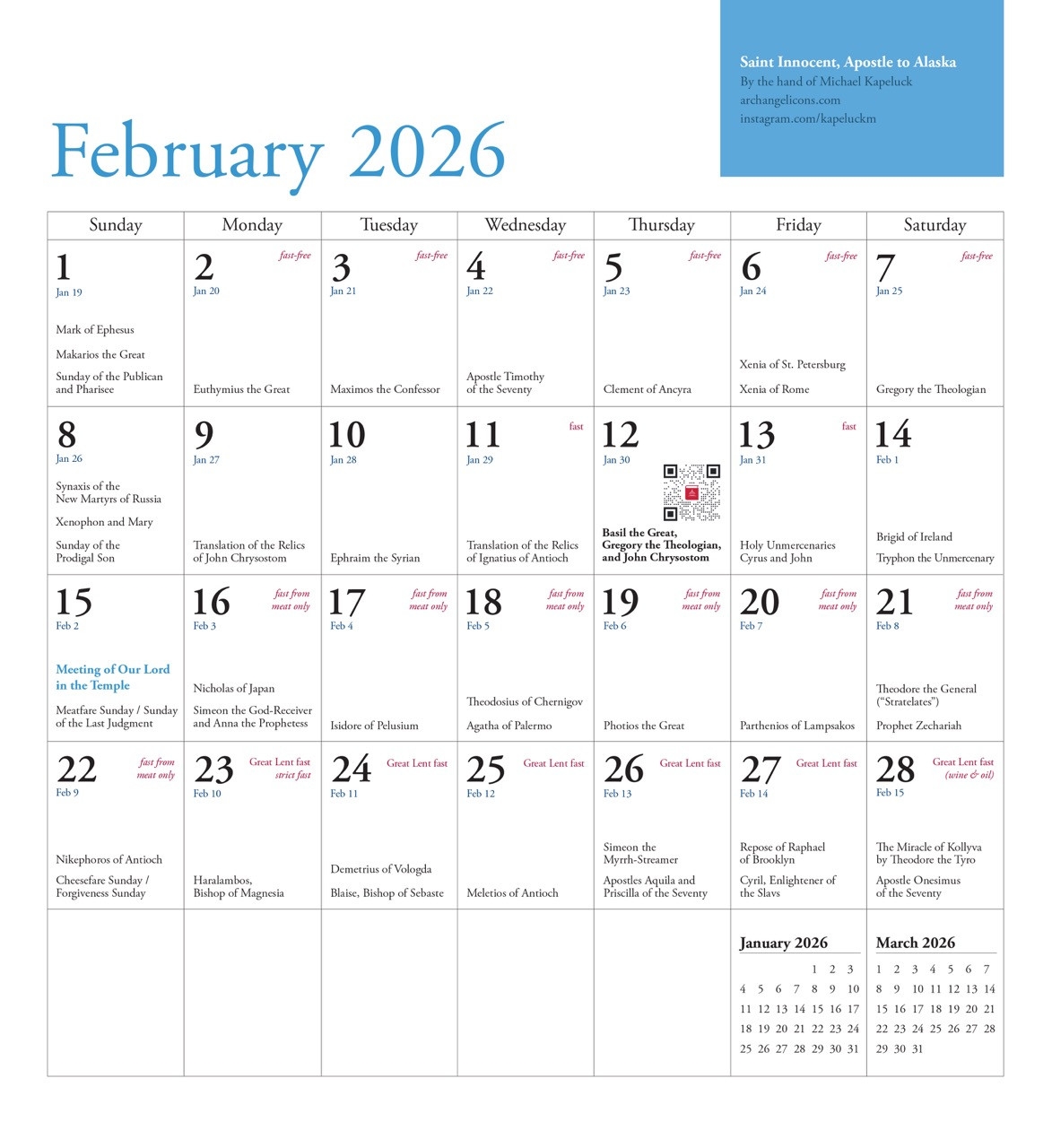
2026 Icon Calendar Saints Of North America Julian Version Old
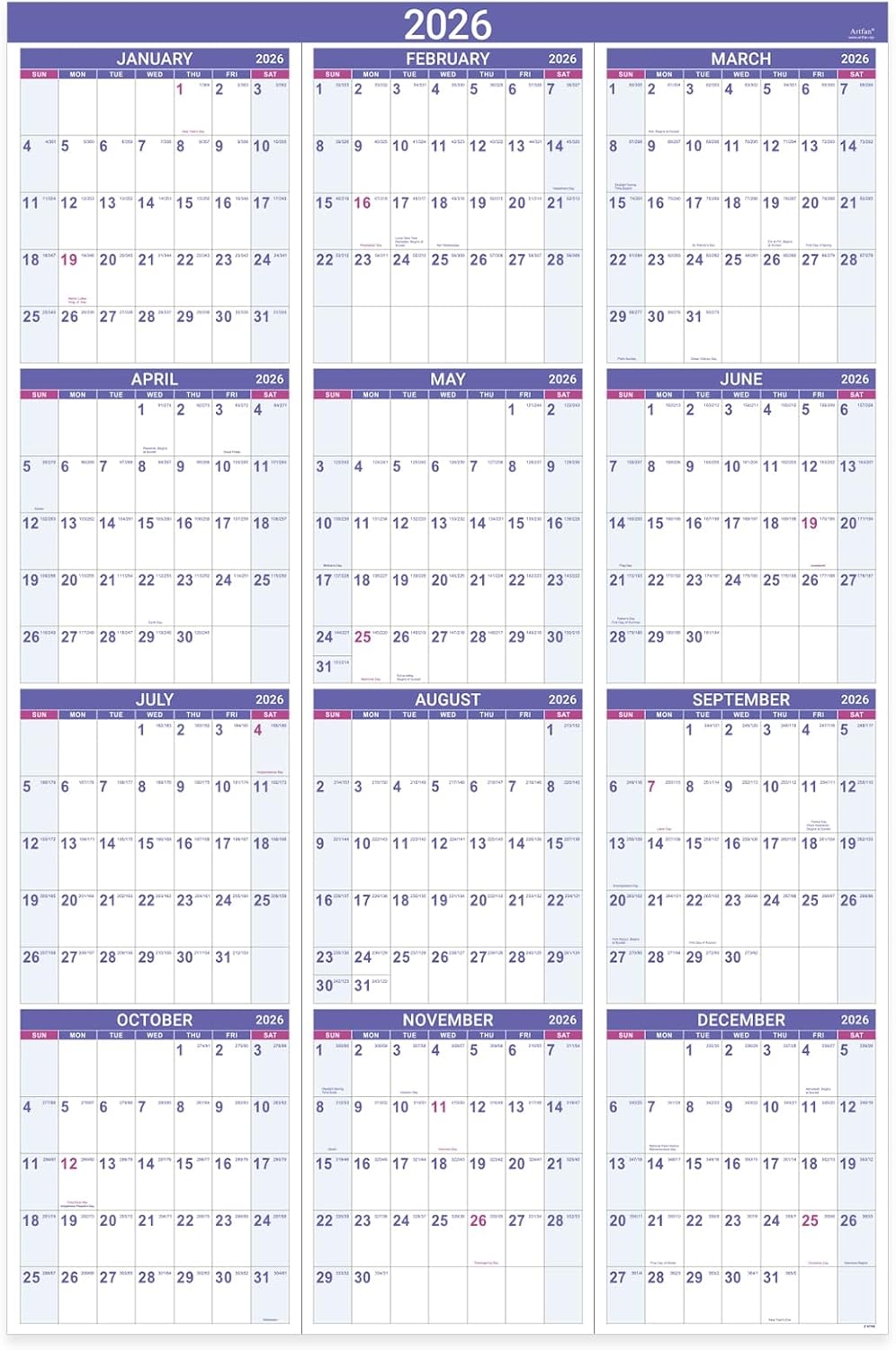
Big Ass Calendar 2026 Calendar 2026 Wall Calendar With Julian
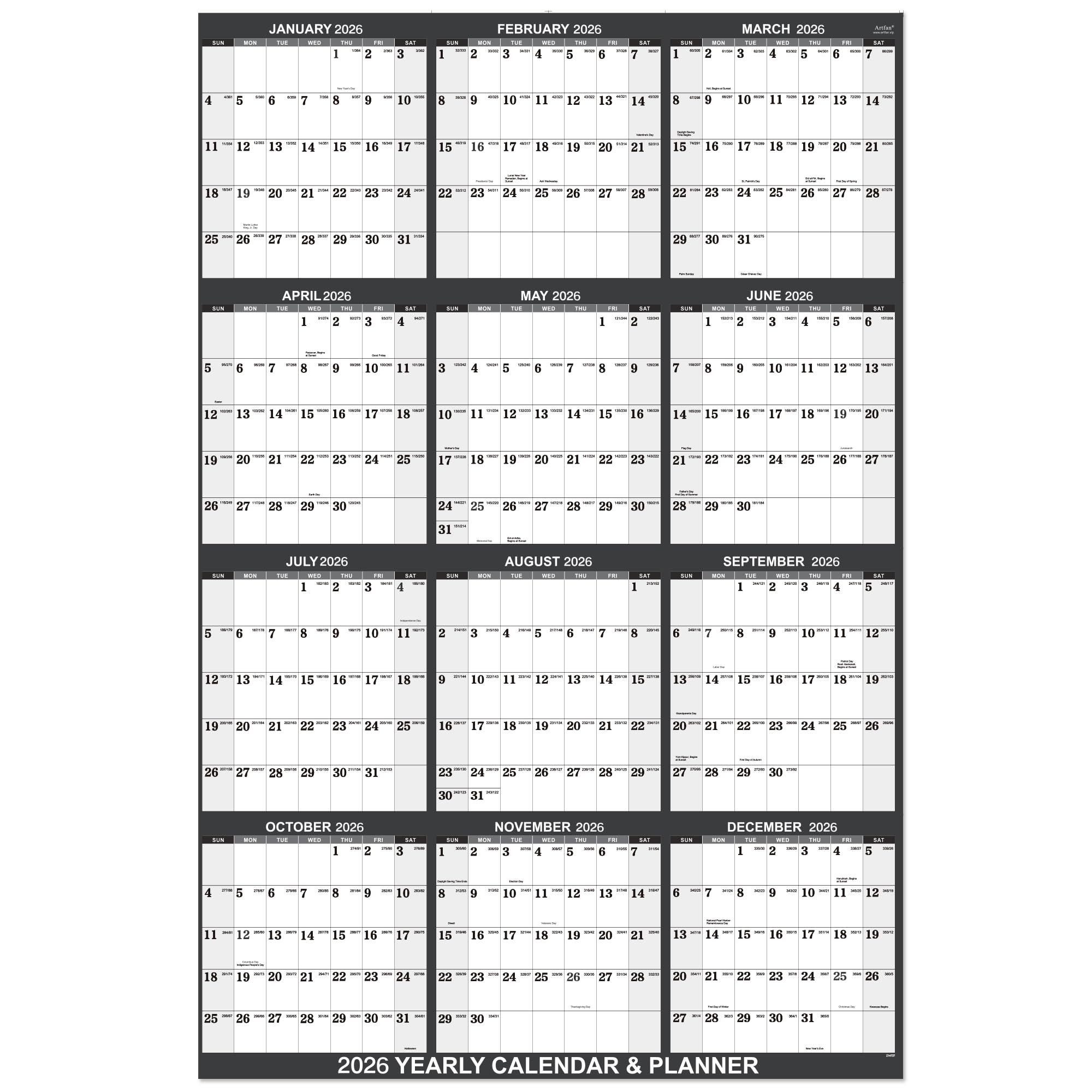
2026 Yearly Wall Calendar 2026 Wall Calendar With Julian Date
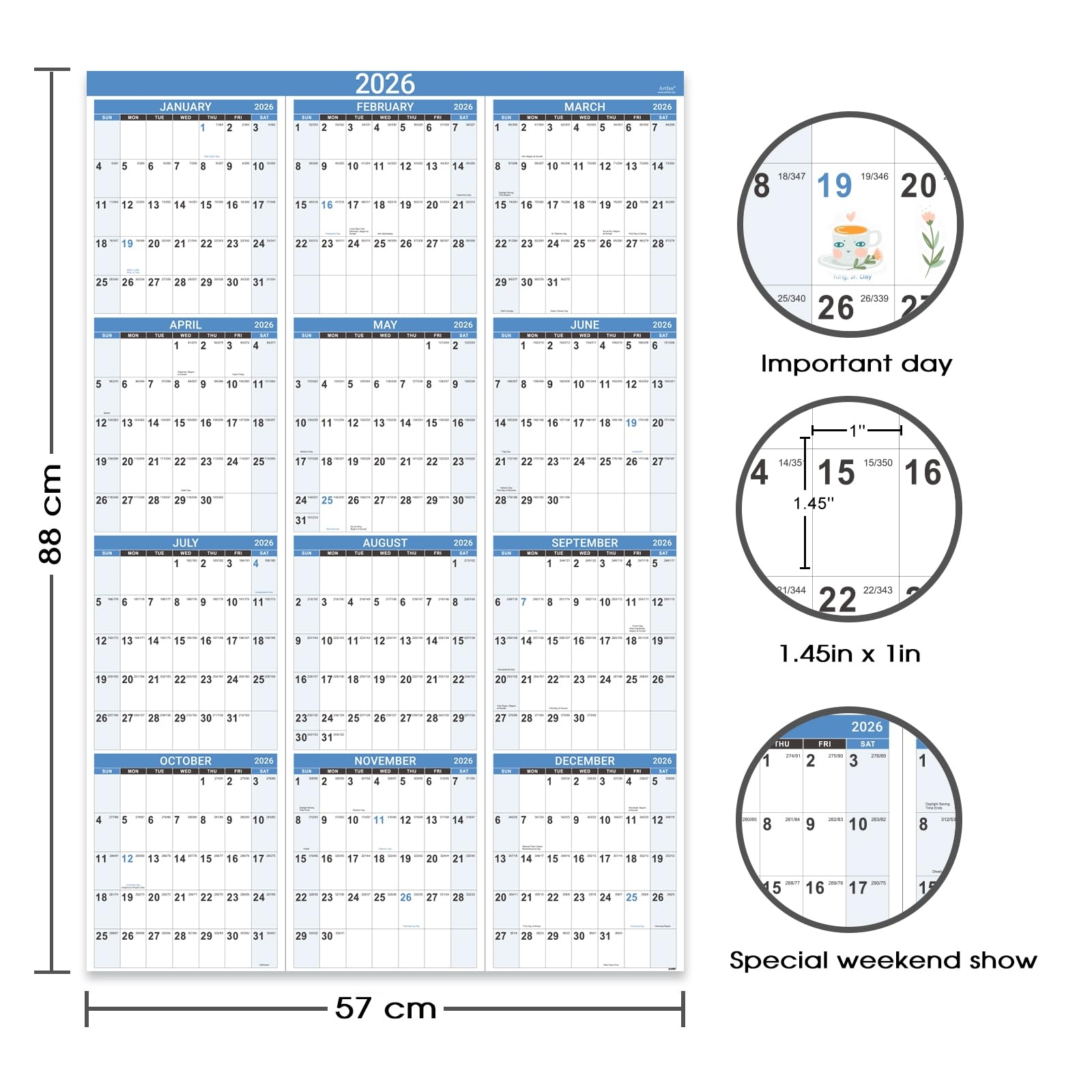
2026 Yearly Wall Calendar 2026 Wall Calendar With Julian Date Jan 2026 Dec 2026 One Page For Organizing Premium Thick Paper Vertical Gift
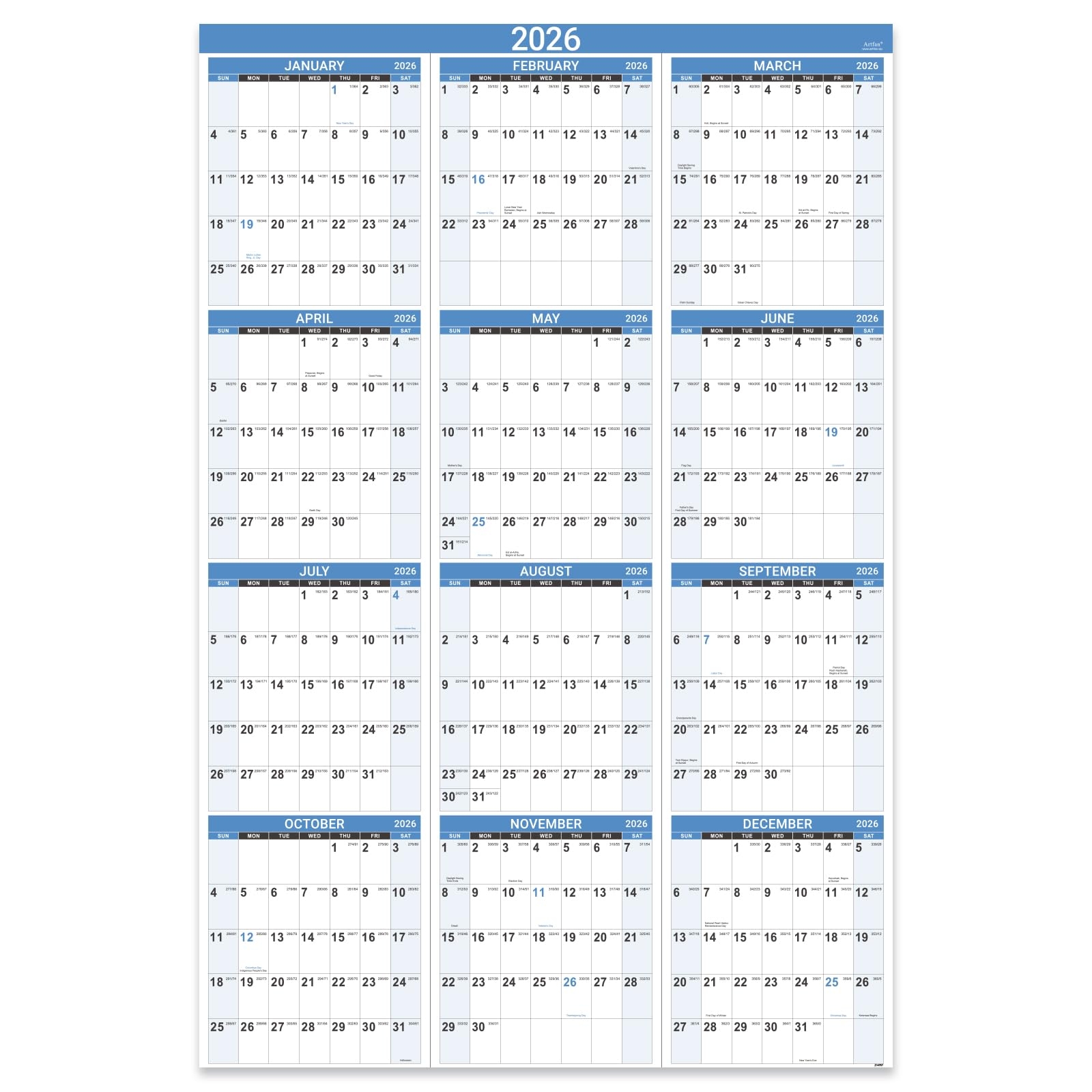
2026 Yearly Wall Calendar 2026 Wall Calendar With Julian Date Jan 2026 Dec 2026 One Page For Organizing Premium Thick Paper Vertical Gift