
Have you ever wondered about the differences between the Gregorian calendar and UTC in the year 2026? Let’s dive into the details to understand how these two systems work!
The Gregorian calendar, introduced by Pope Gregory XIII in 1582, is the most widely used calendar system today. It is a solar calendar based on the Earth’s orbit around the sun, with 365 days in a common year and 366 days in a leap year.
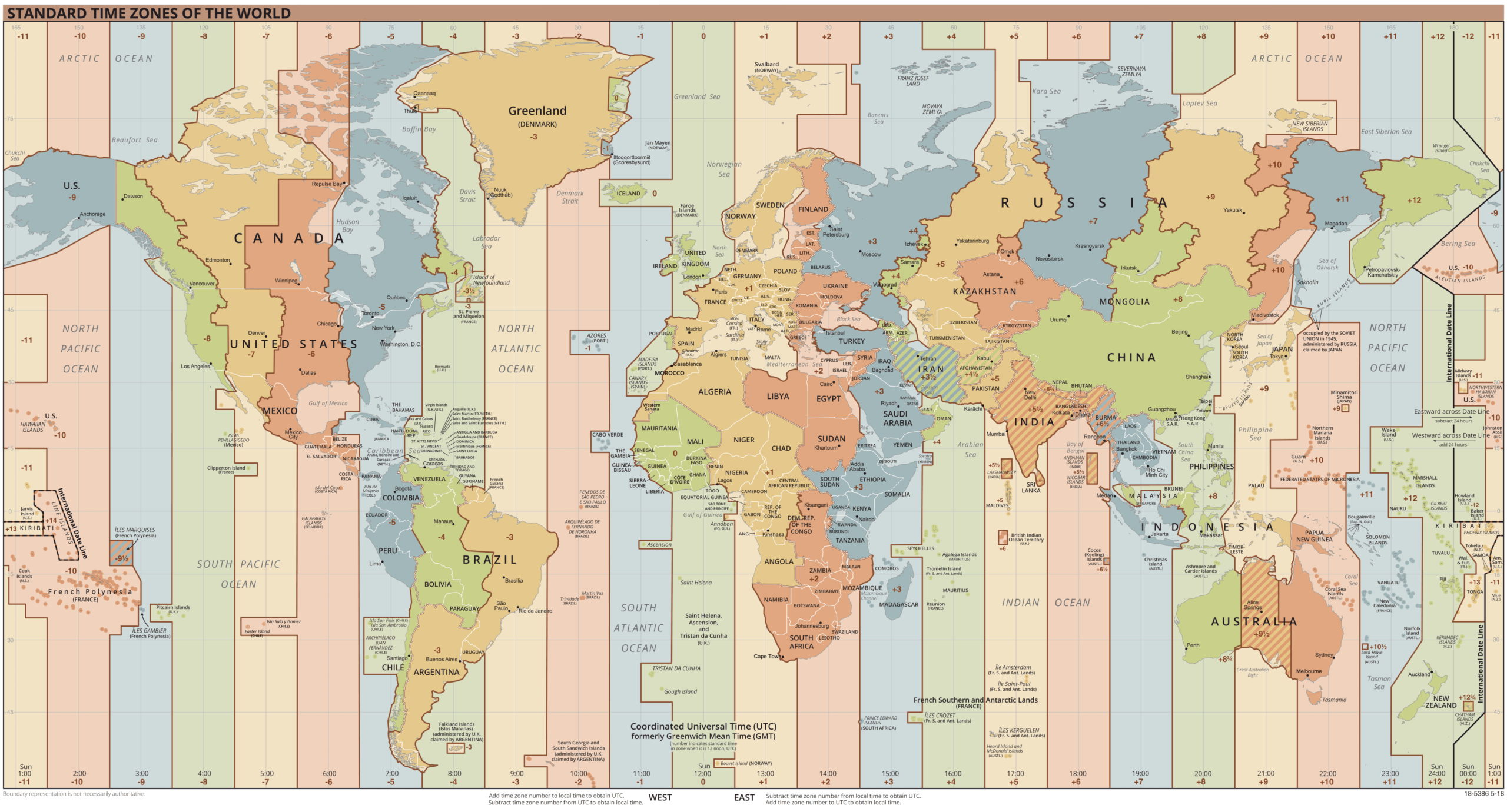
Gregorian Calendar Vs Utc At 2026
Gregorian Calendar Vs UTC At 2026
UTC, which stands for Coordinated Universal Time, is the primary time standard by which the world regulates clocks and time. It is based on atomic time and is kept within 0.9 seconds of International Atomic Time (TAI).
In 2026, the Gregorian calendar and UTC will align as usual, with leap years accounted for to keep the calendar in sync with the Earth’s orbit. This synchronization ensures that timekeeping remains accurate and consistent globally.
While the Gregorian calendar focuses on days, months, and years, UTC provides precise timekeeping down to the nanosecond. Both systems play crucial roles in our daily lives, from scheduling events to coordinating international travel and communications.
As we look ahead to 2026, it’s fascinating to see how the Gregorian calendar and UTC work together to keep our world running smoothly. Whether you’re planning a future event or simply keeping track of time, understanding these systems can help you stay organized and on time!
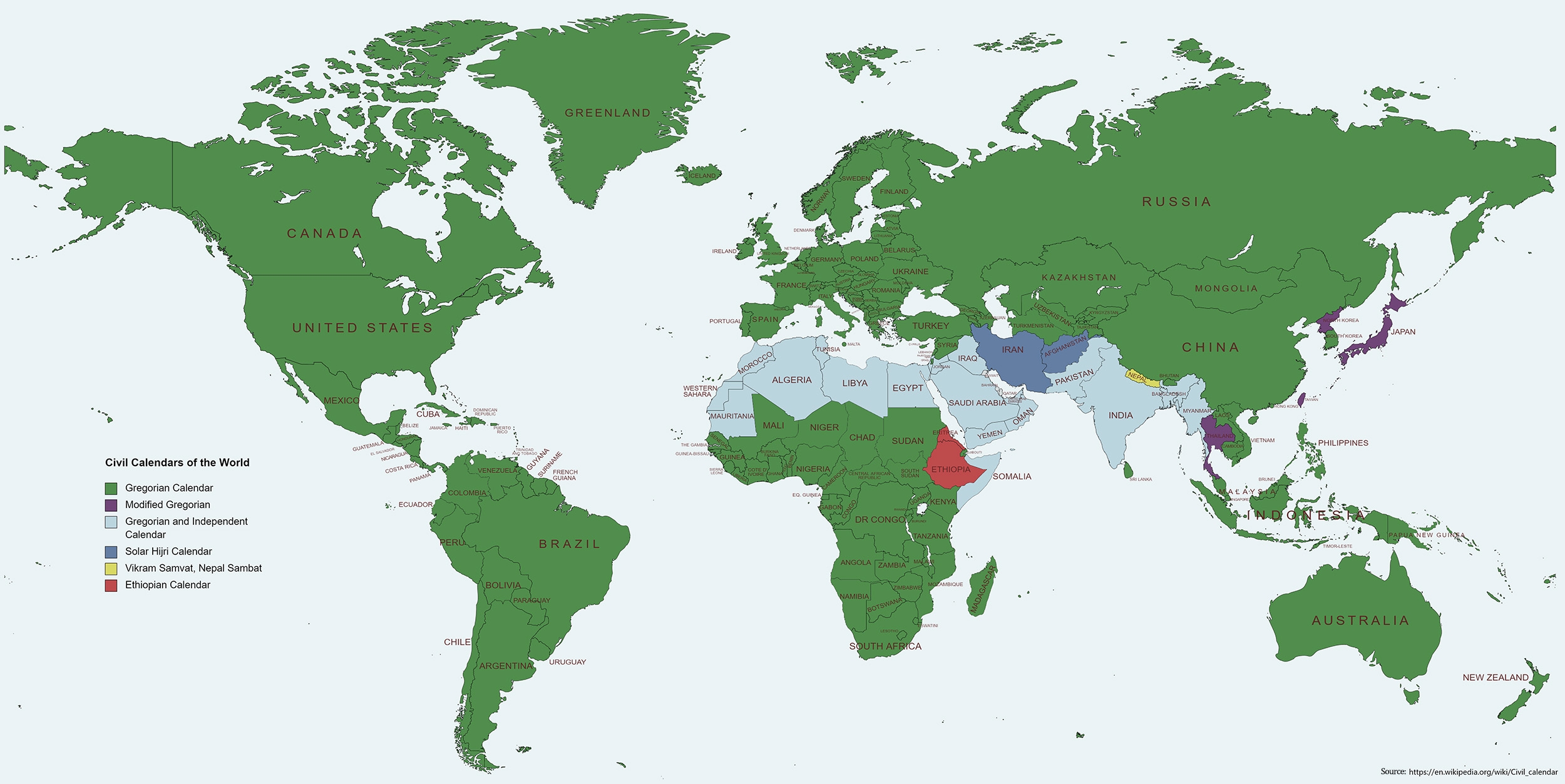
Calendar Systems Used Throughout The World Vivid Maps
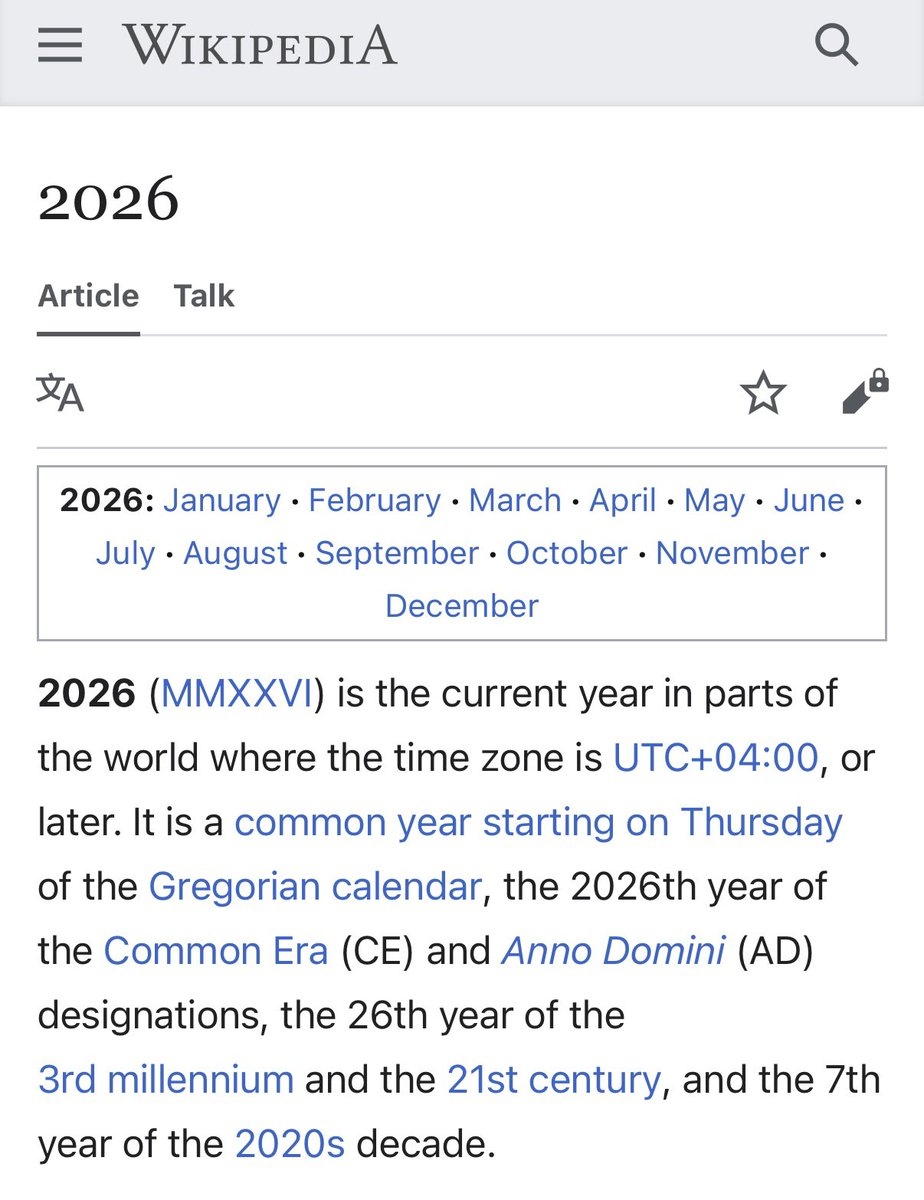
Time To Do Some Quick Cramming So I Don t Look Like An Idiot Tonight
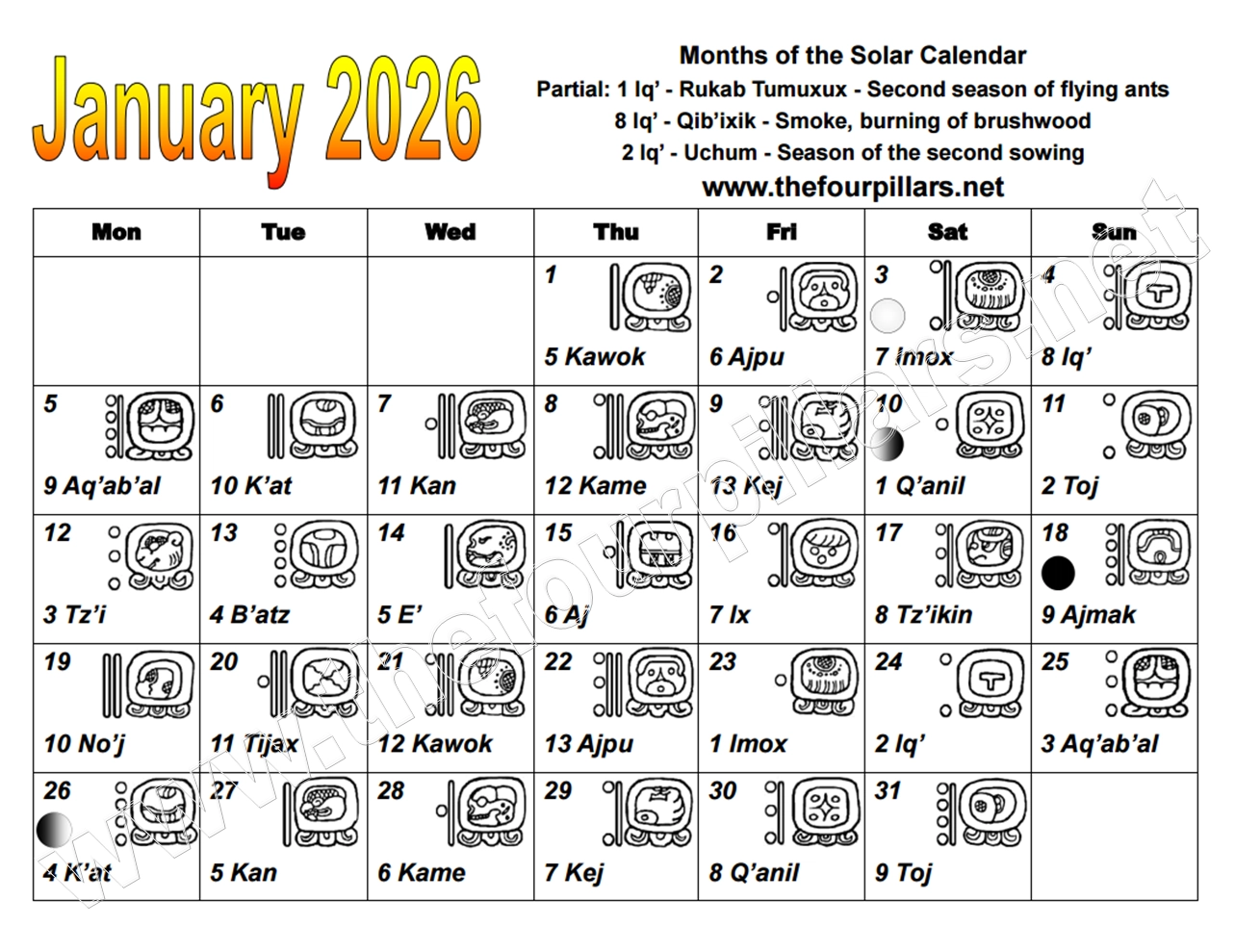
January 2026 The Four Pillars

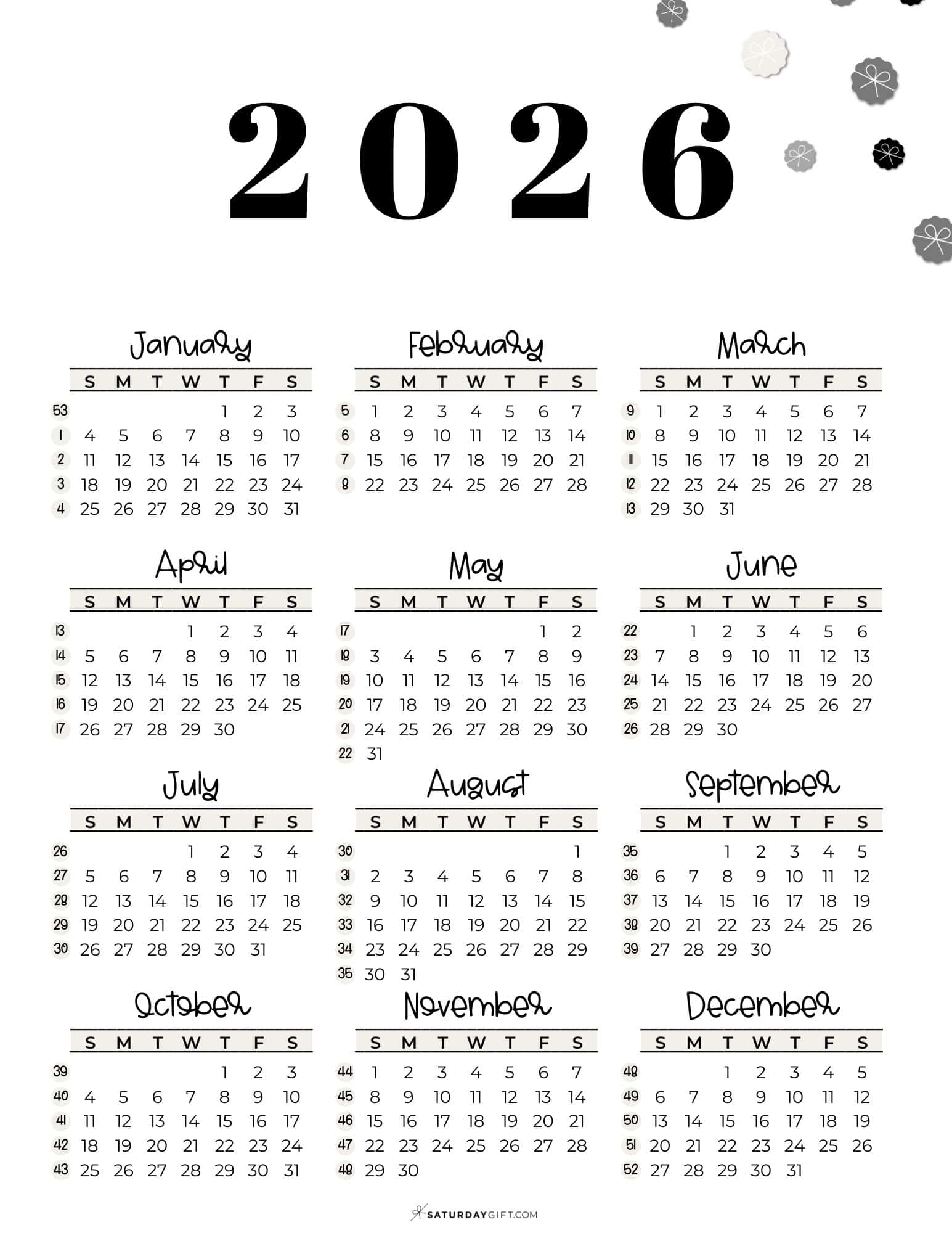
Year 2026 Calendar Gregorian Calendar
What Year Is It Current Year Today