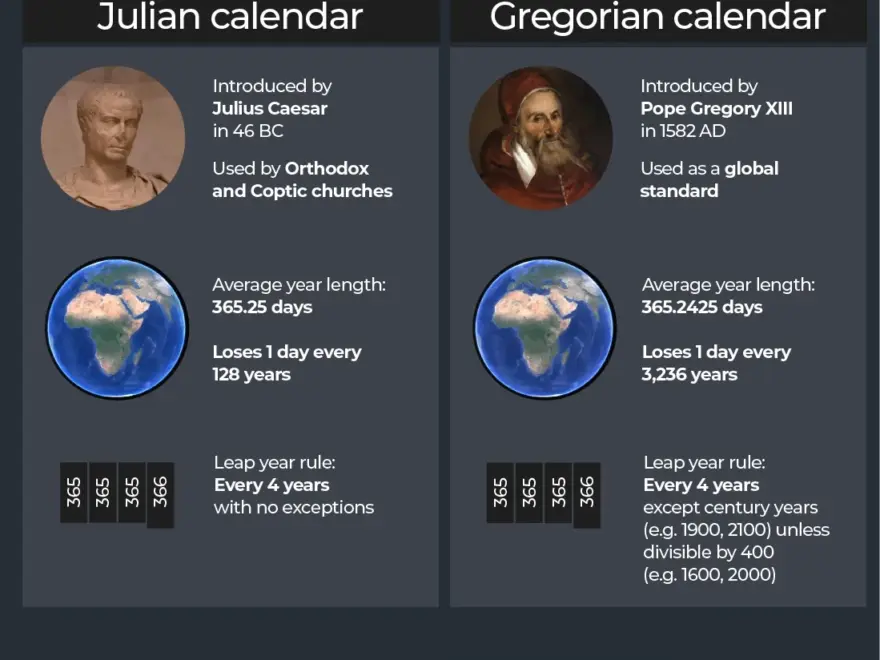
Have you ever wondered about the Gregorian Calendar and its upcoming changes in 2026? The Gregorian Calendar, introduced by Pope Gregory XIII in 1582, is the most widely used calendar today, but did you know that it undergoes periodic adjustments?
In 2026, the Gregorian Calendar will experience a rare change due to the occurrence of a leap year cycle. This adjustment is necessary to keep the calendar in sync with the Earth’s orbit around the sun and maintain the accuracy of timekeeping.
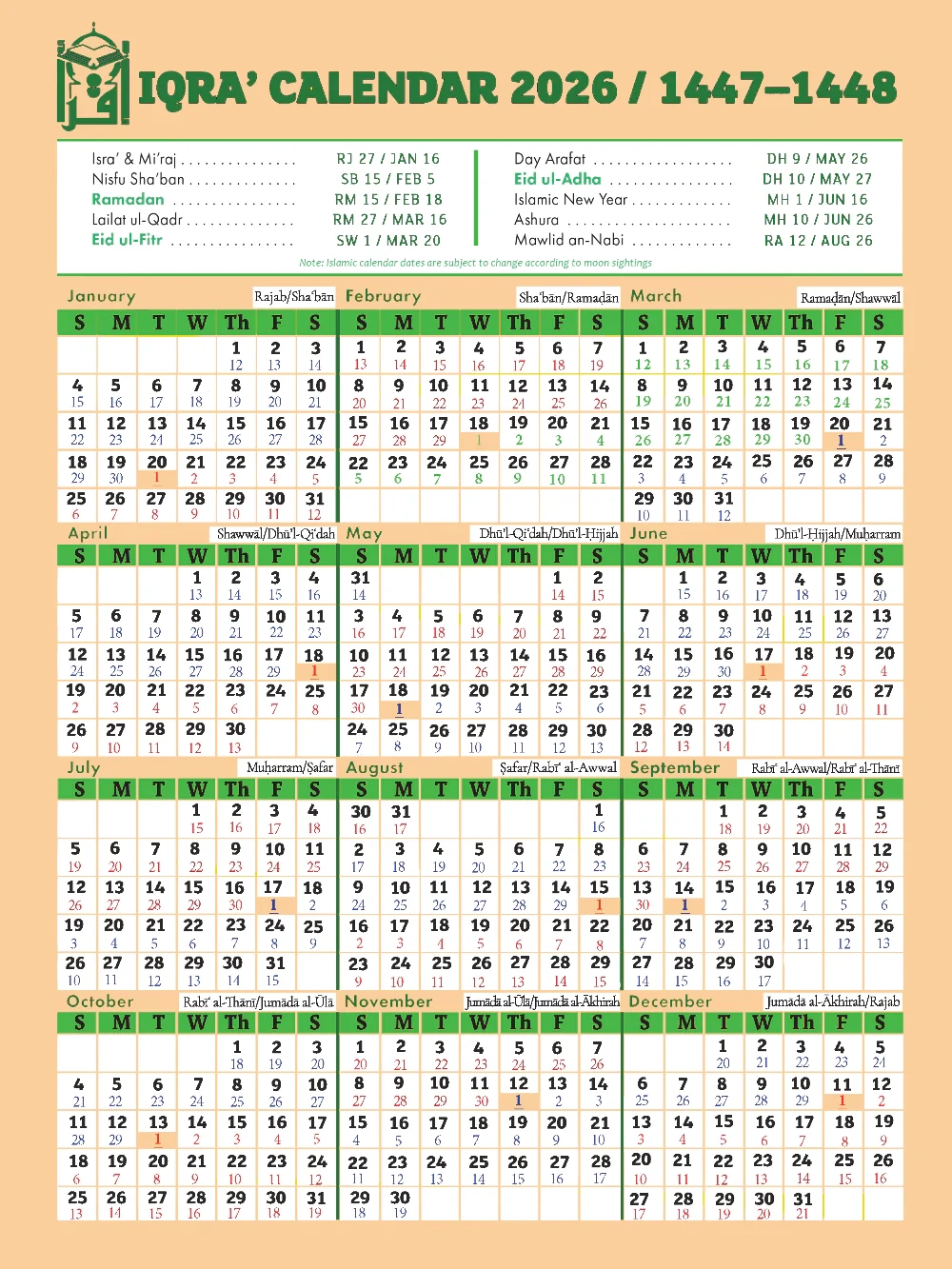
Gregorian Calendar 2026 Change
Gregorian Calendar 2026 Change
During a leap year, an extra day is added to the calendar to account for the slightly longer time it takes for the Earth to complete its orbit. In 2026, February will have 29 days instead of the usual 28, ensuring that the calendar remains aligned with the astronomical cycles.
This adjustment helps prevent seasonal drift and ensures that events such as solstices and equinoxes occur at the same time each year. While the change may seem subtle, it plays a crucial role in maintaining the consistency and accuracy of our timekeeping system.
So, mark your calendars for 2026 and be prepared for the extra day in February. It’s a fascinating reminder of the intricate relationship between our man-made calendars and the natural rhythms of the universe. Embrace the change and celebrate the wonder of timekeeping!
As we look ahead to 2026, let’s appreciate the ingenuity of the Gregorian Calendar and its ability to adapt to the complexities of our planet’s orbit. The upcoming change serves as a testament to human innovation and our ongoing quest to understand and organize time in harmony with nature.
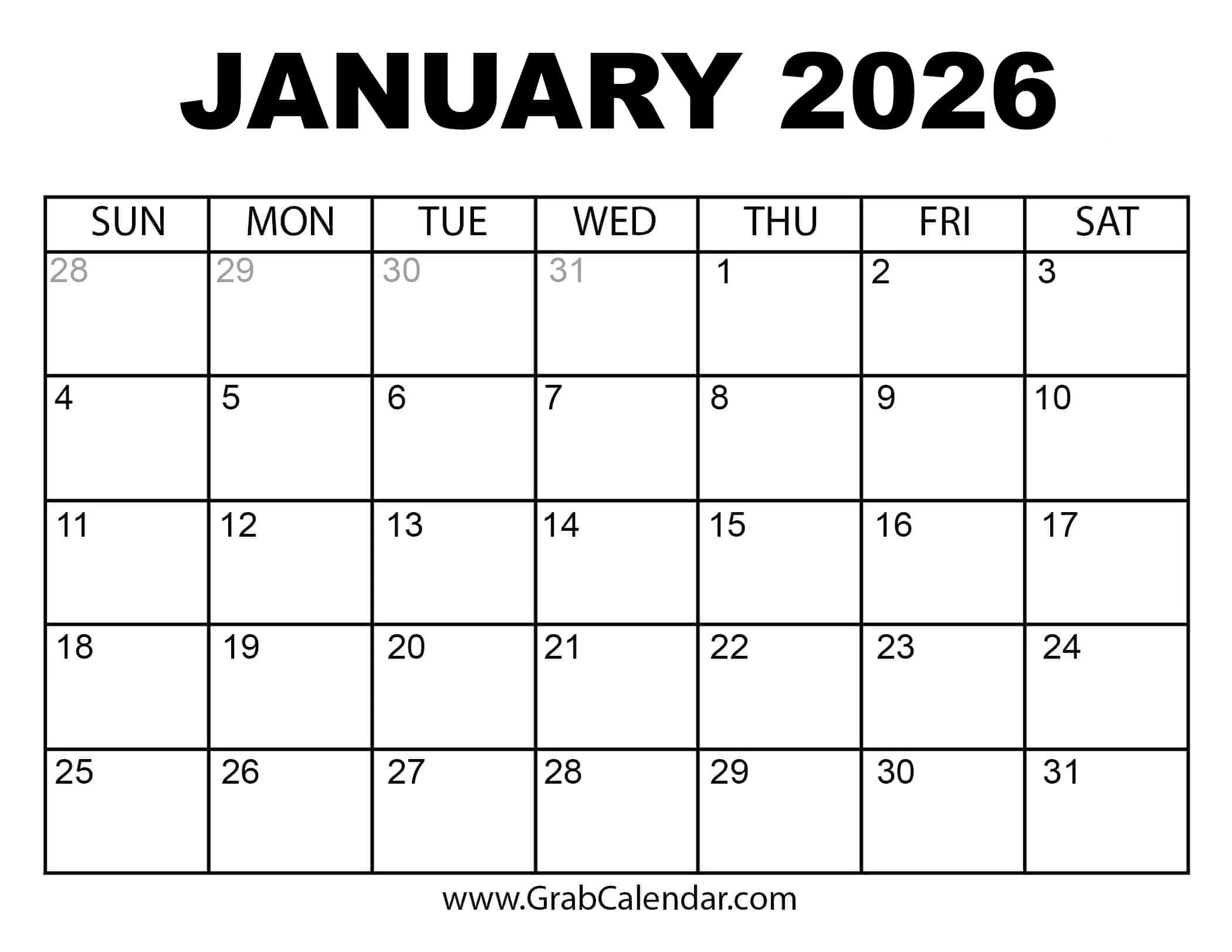
Printable January 2026 Calendar
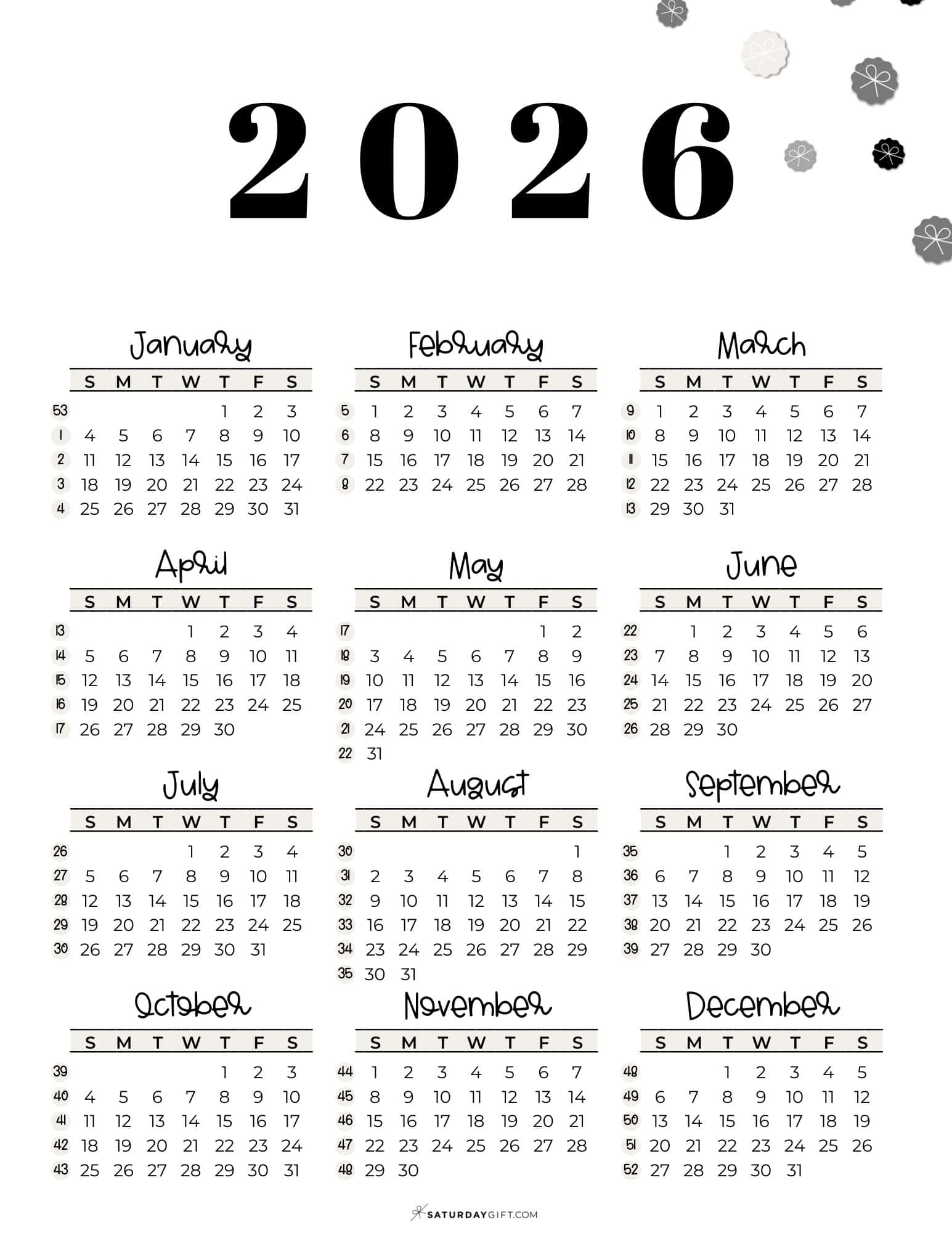
What Year Is It Current Year Today

Year 2026 Calendar Gregorian Calendar
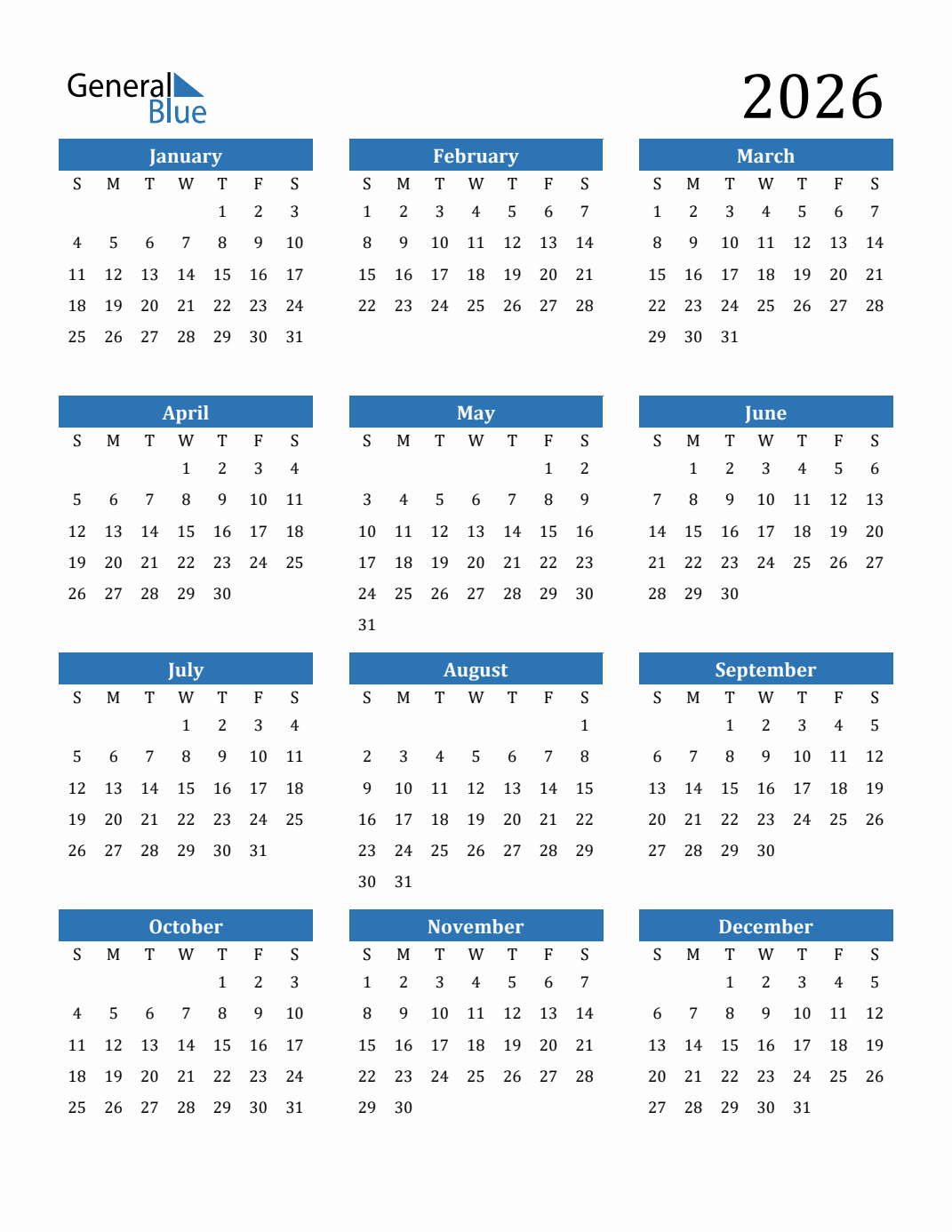
Free 2026 Calendars In PDF Word Excel
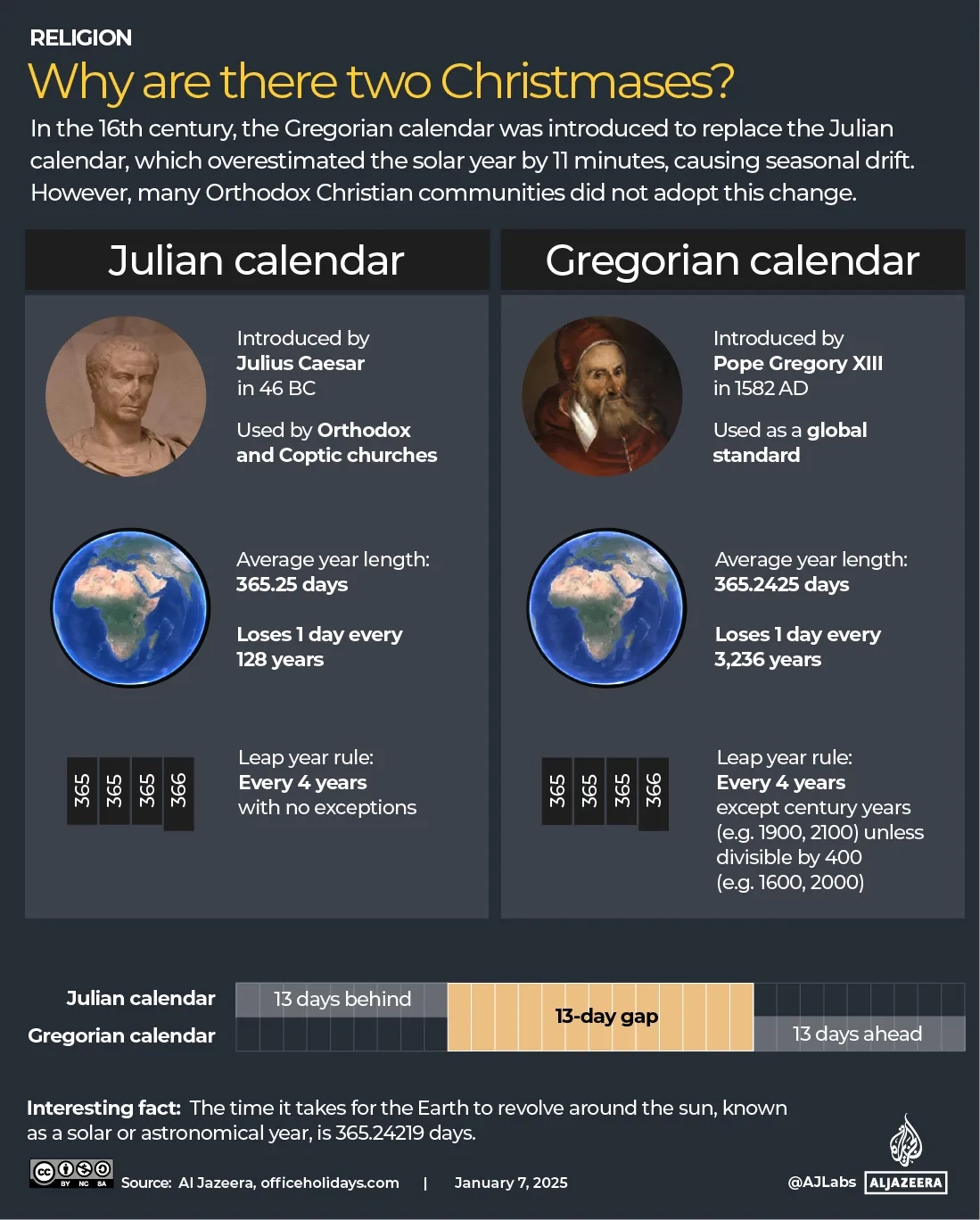
Why Do 250 Million Christians Celebrate Christmas On January 7