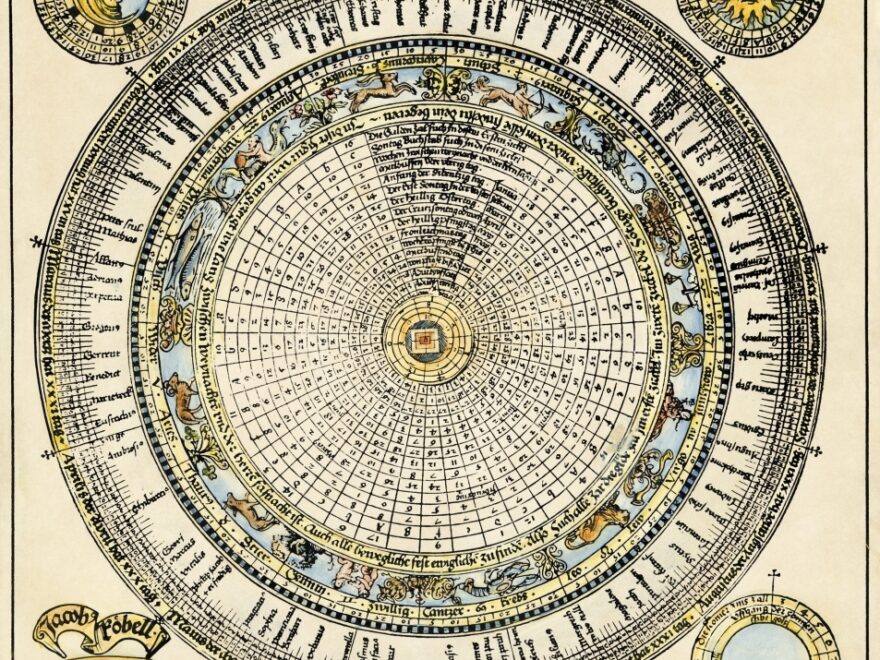
Are you curious about how the Ancient Roman Julian Calendar influences our modern 2026 calendar? Let’s dive into the fascinating history and connections between these two systems of timekeeping.
The Ancient Roman Julian Calendar, introduced by Julius Caesar in 46 BC, served as the basis for the modern calendar we use today. This calendar consisted of 365 days divided into 12 months, with an additional leap day every four years.
Ancient Roman Julian Calendar 2026 Calendar
Exploring the Link Between the Ancient Roman Julian Calendar and the 2026 Calendar
Fast forward to 2026, and we can still see remnants of the Ancient Roman Julian Calendar in our current system. While some adjustments have been made over the centuries, the basic structure and principles of the Julian calendar continue to influence how we organize our days, months, and years.
One notable difference between the Ancient Roman Julian Calendar and the 2026 calendar is the shift from a purely solar-based system to a more accurate one that takes into account the Earth’s orbit around the sun. This adjustment helps ensure that our calendar stays in sync with the changing seasons.
As we look ahead to 2026, it’s fascinating to reflect on the enduring legacy of the Ancient Roman Julian Calendar and how it continues to shape our understanding of time. The connections between the past and present remind us of the rich history that underpins our modern lives.
In conclusion, the Ancient Roman Julian Calendar has left a lasting impact on how we measure time, even in the year 2026. By exploring the links between these two systems, we gain a deeper appreciation for the intricate ways in which history influences our daily lives.
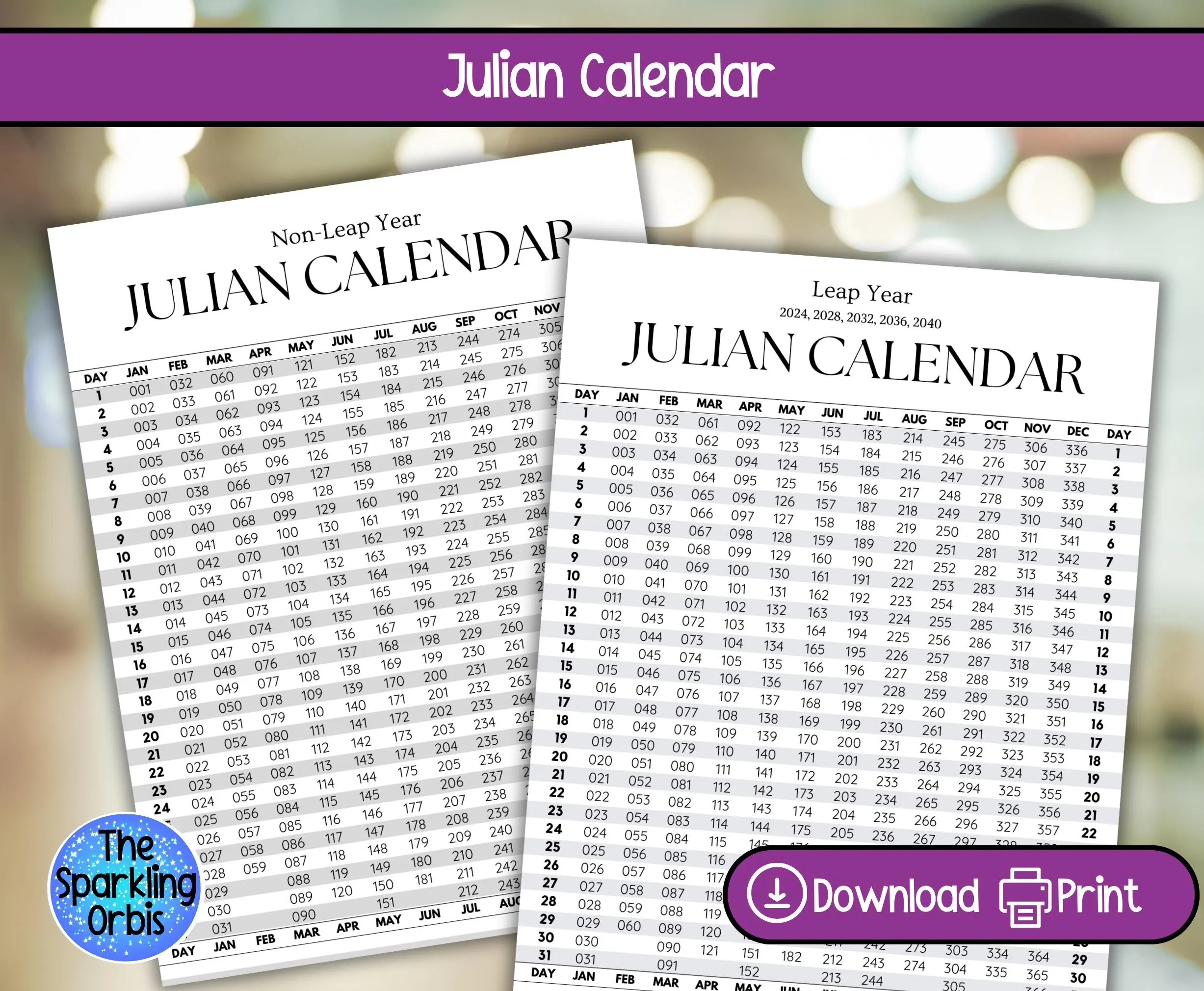
Latin Months Of The Julian Calendar AUGUSTUS 27BC 14AD CELSA Spain
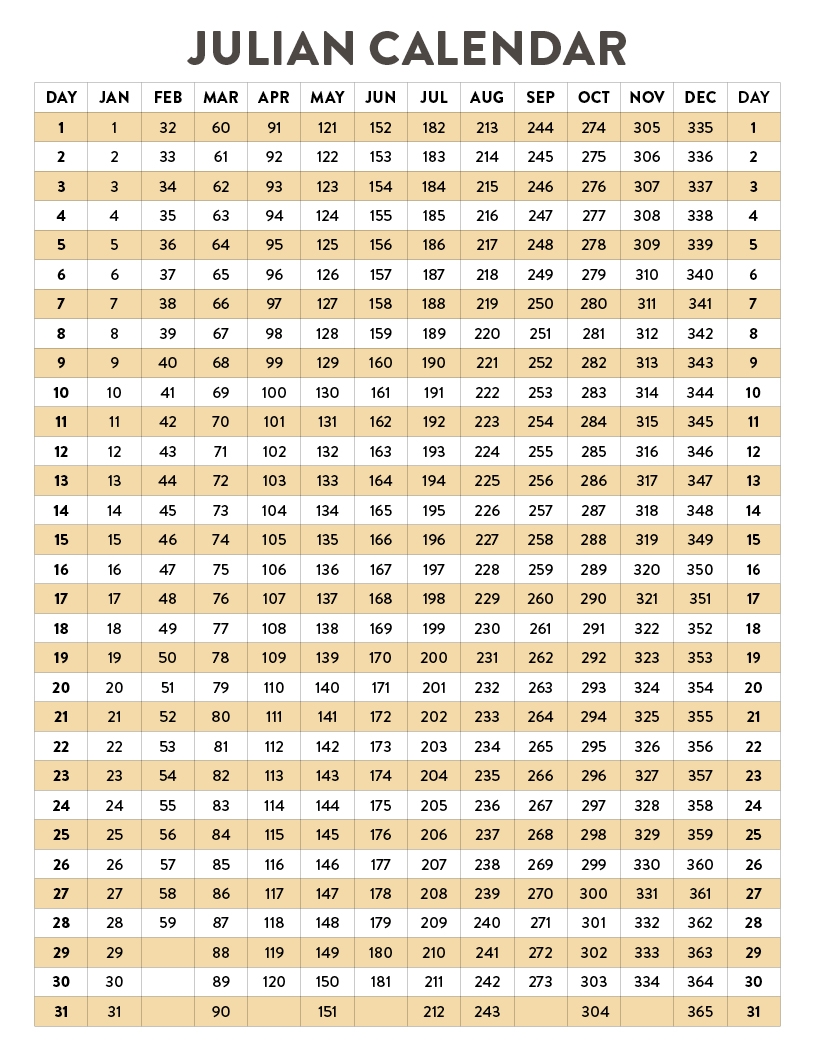
Julian Date Calendar Natural Grocers
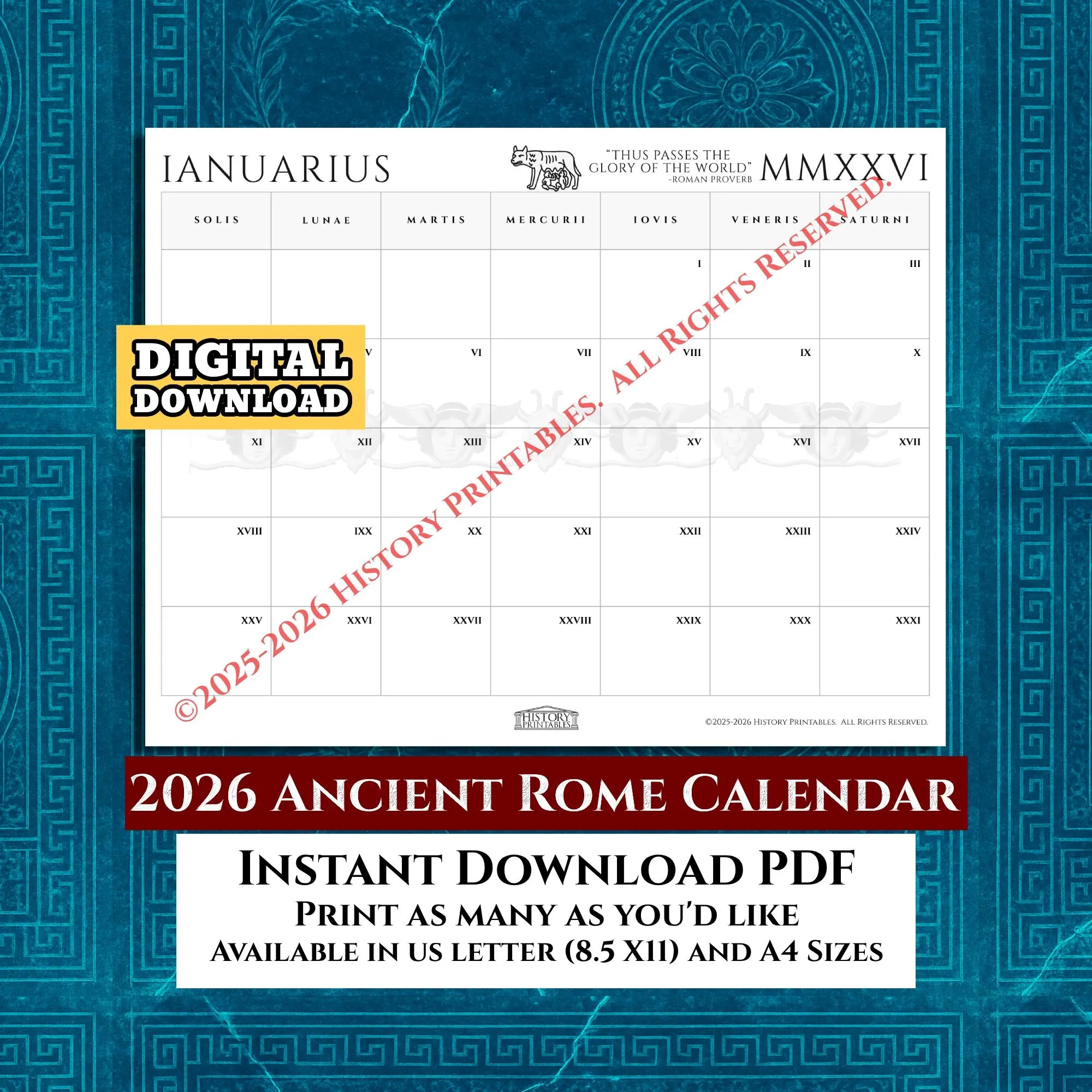
Ancient Rome Julian Roman Calendar Perpetual Calendars Julian
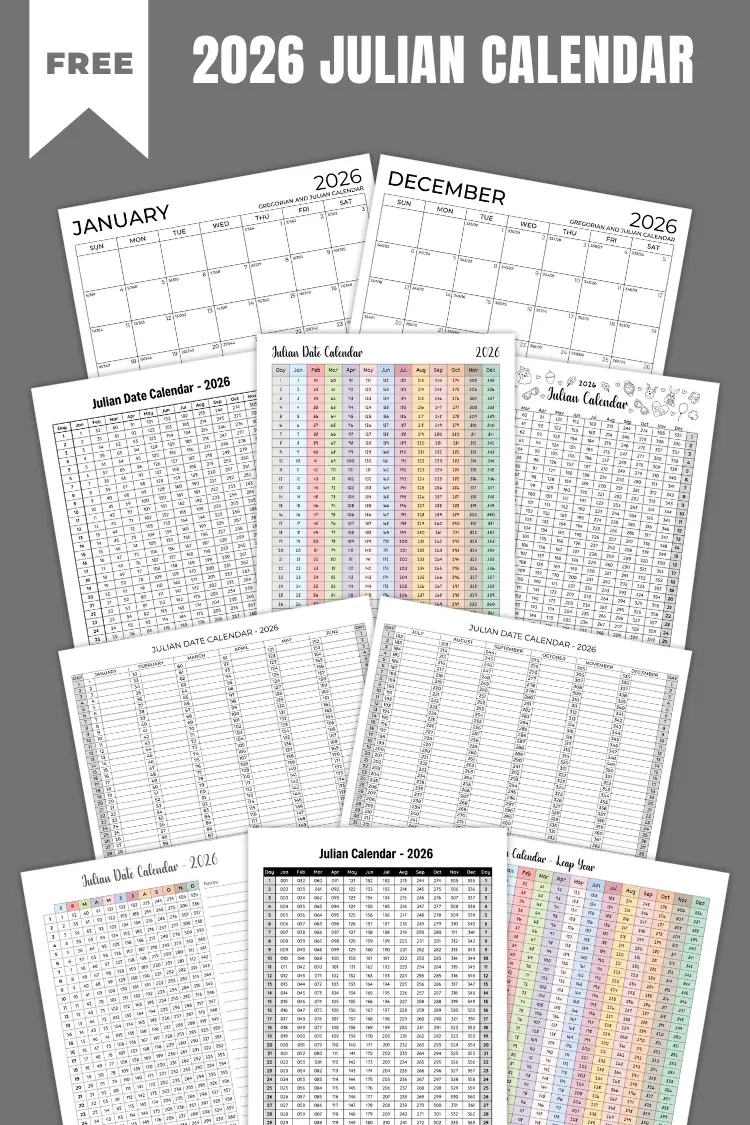
Julian Calendar 2026 Free PDF Printables
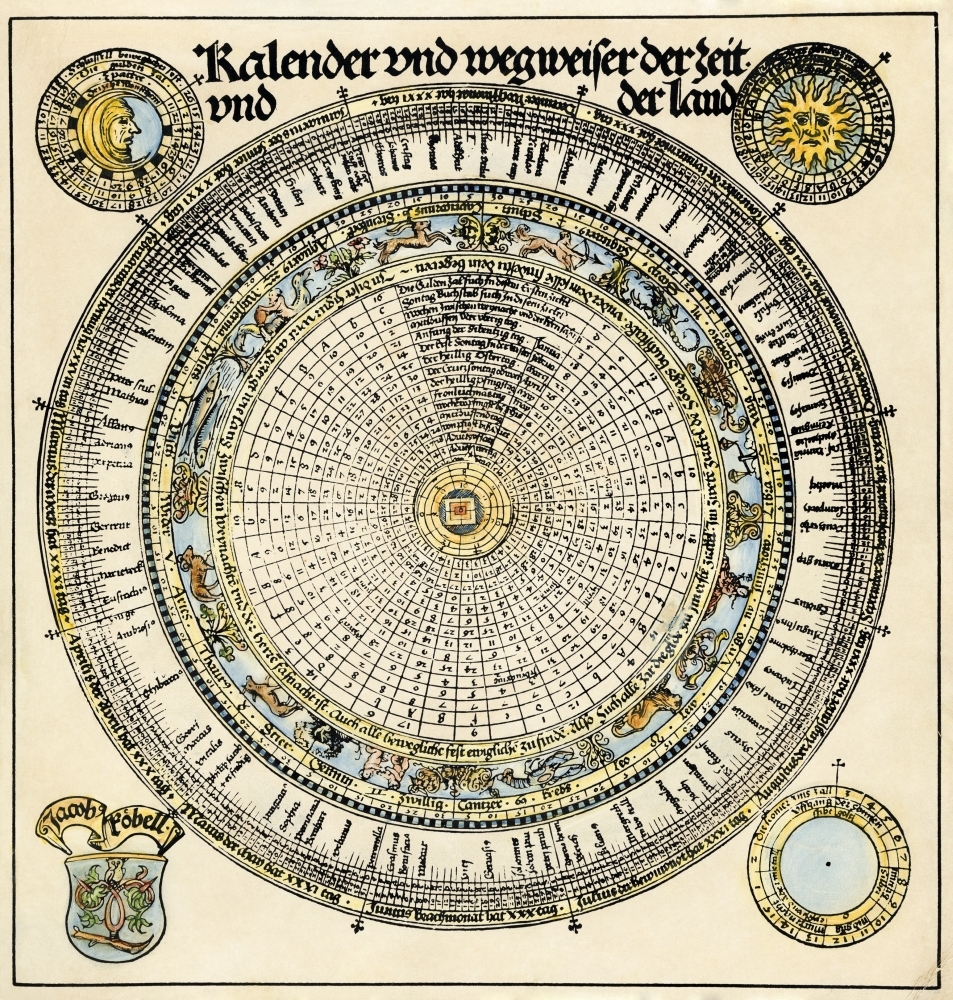
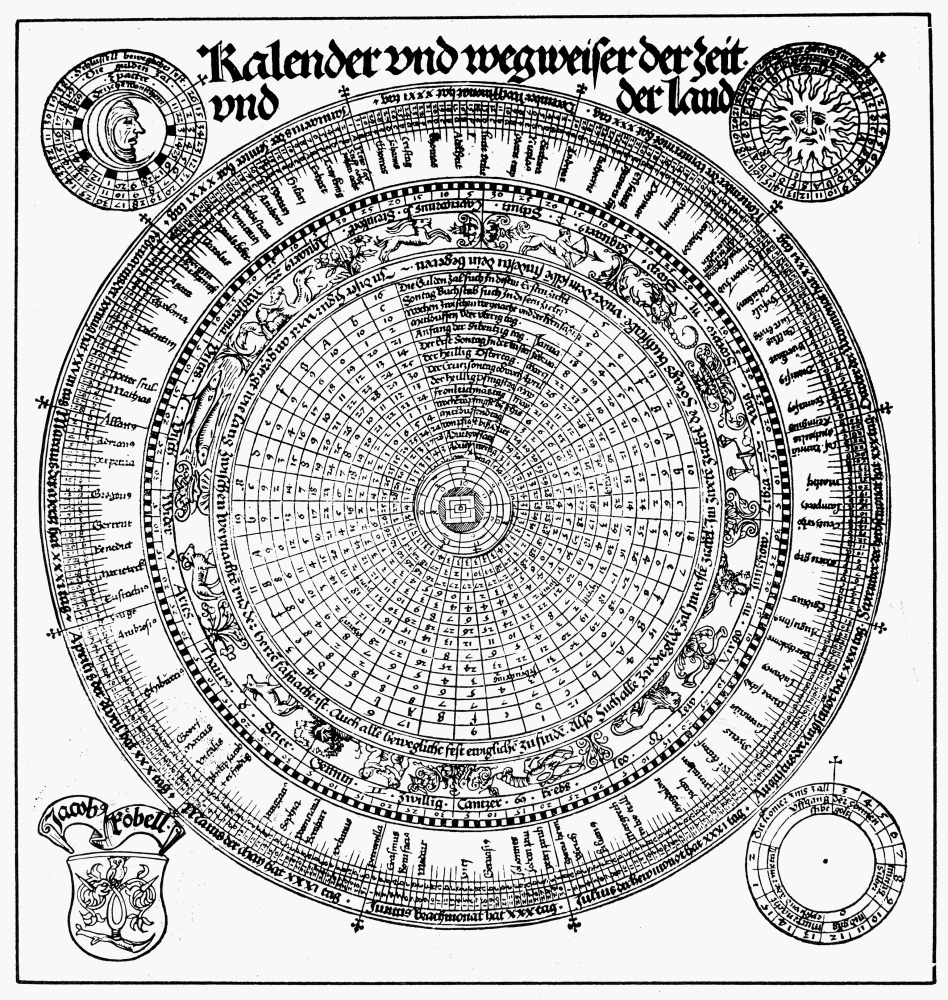
Roman Julian Calendar Ngerman Broadside 1520 Poster Print By