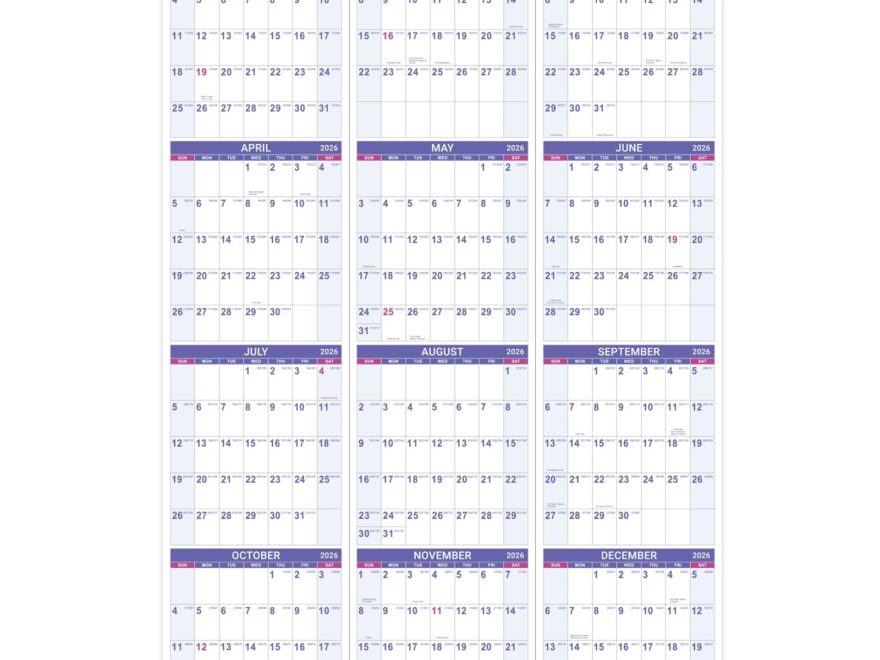
Have you ever wondered about the difference between the Gregorian and Julian calendars? The Julian calendar, introduced by Julius Caesar in 46 BC, was the predominant calendar in the Western world for over a millennium.
However, in 1582, Pope Gregory XIII introduced the Gregorian calendar to replace the Julian calendar due to inaccuracies in calculating leap years. The Gregorian calendar is the one most commonly used today.
2026 Julian Calendars Agaon
2026 Julian Calendars Again
Despite the widespread adoption of the Gregorian calendar, some Orthodox churches and certain countries still use the Julian calendar for religious and cultural purposes. In 2026, both calendars align once again, marking an interesting point in time.
For those who follow the Julian calendar, 2026 will be a special year as it coincides with the Gregorian calendar. This convergence only happens every few years, making it a unique occurrence worth noting and celebrating.
Whether you follow the Gregorian or Julian calendar, 2026 will be a significant year to mark on your calendars. It’s a rare moment where both calendars sync up, offering a chance to reflect on the passage of time and the history of our modern calendar systems.
In conclusion, the convergence of the Gregorian and Julian calendars in 2026 presents a fascinating opportunity to explore the differences and similarities between these two systems. It’s a reminder of how timekeeping has evolved over centuries and how different cultures have shaped our understanding of time.
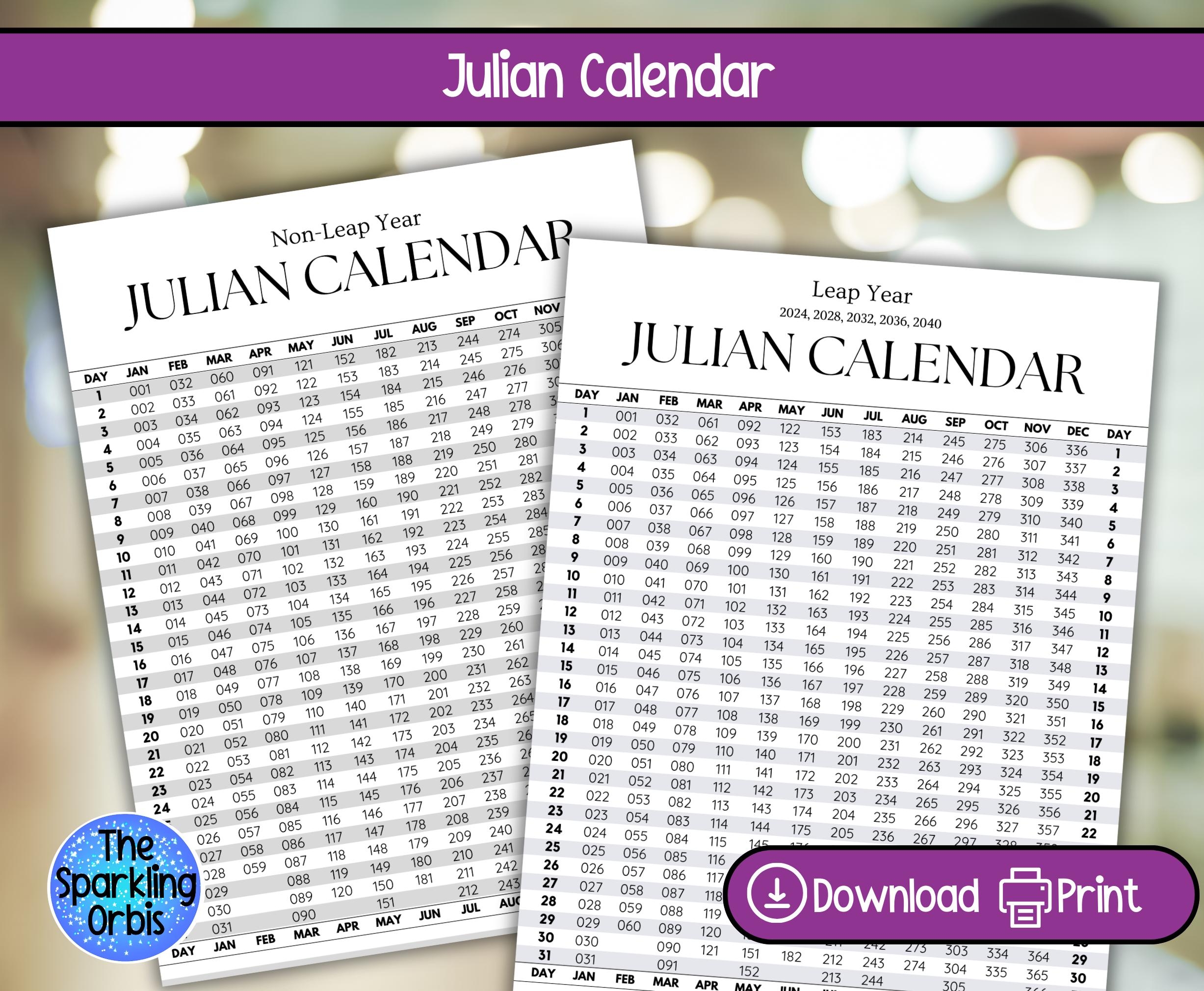
Printable Julian Calendar Leap Year amp Non leap Year digital
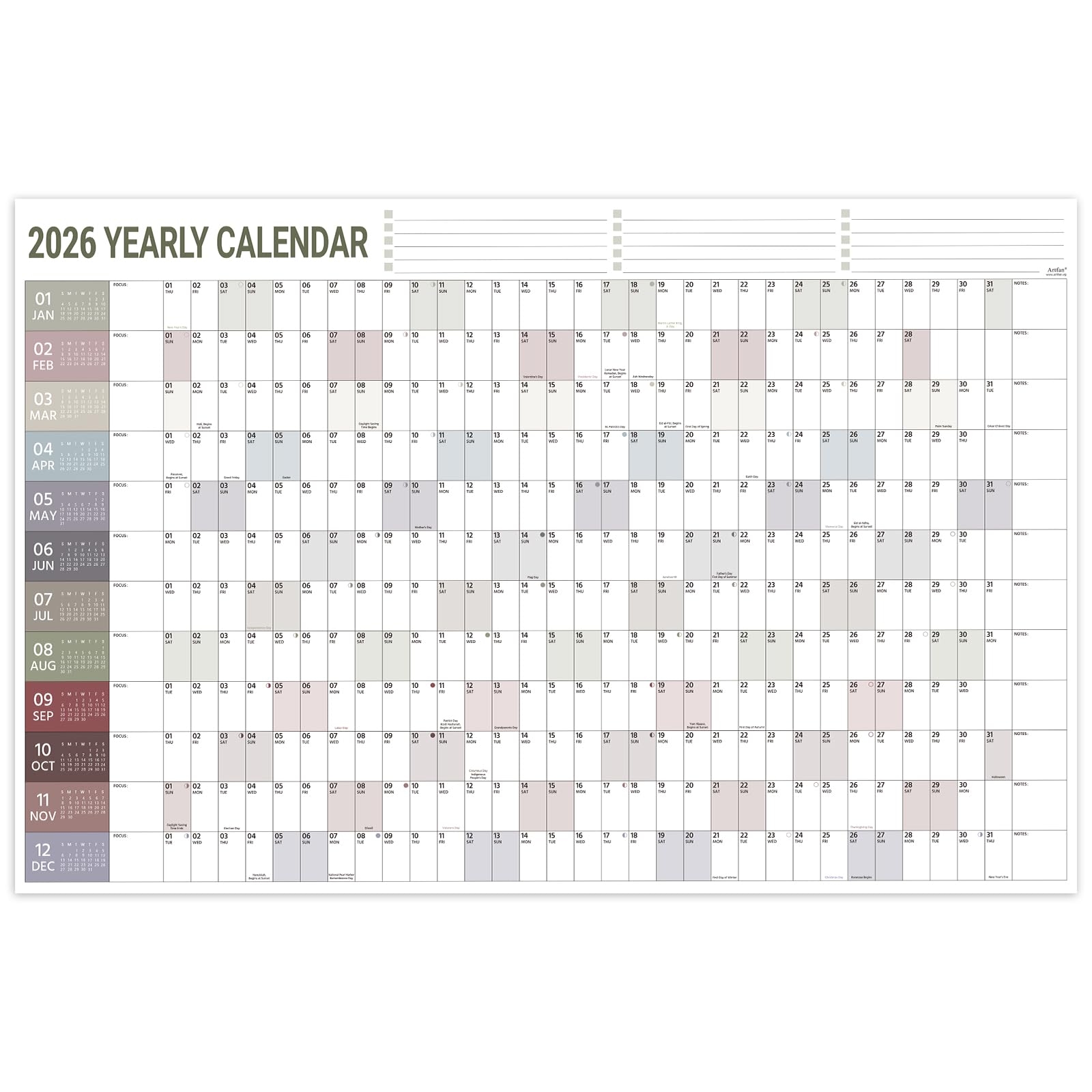
2026 Yearly Wall Calendar 2026 Wall Calendar Jan 2026 Dec
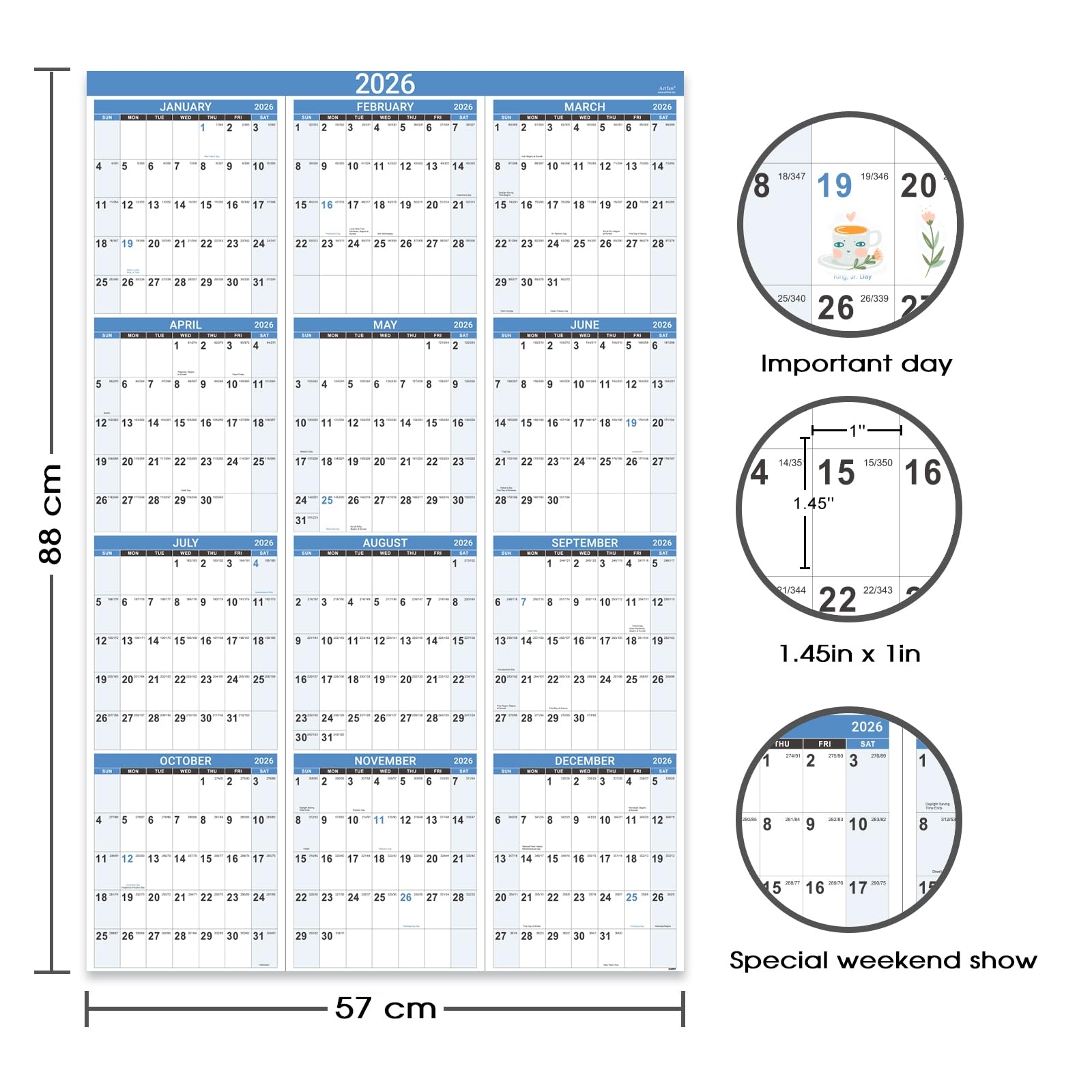
2026 Yearly Wall Calendar 2026 Wall Calendar With Julian Date Jan 2026 Dec 2026 One Page For Organizing Premium Thick Paper Vertical Gift
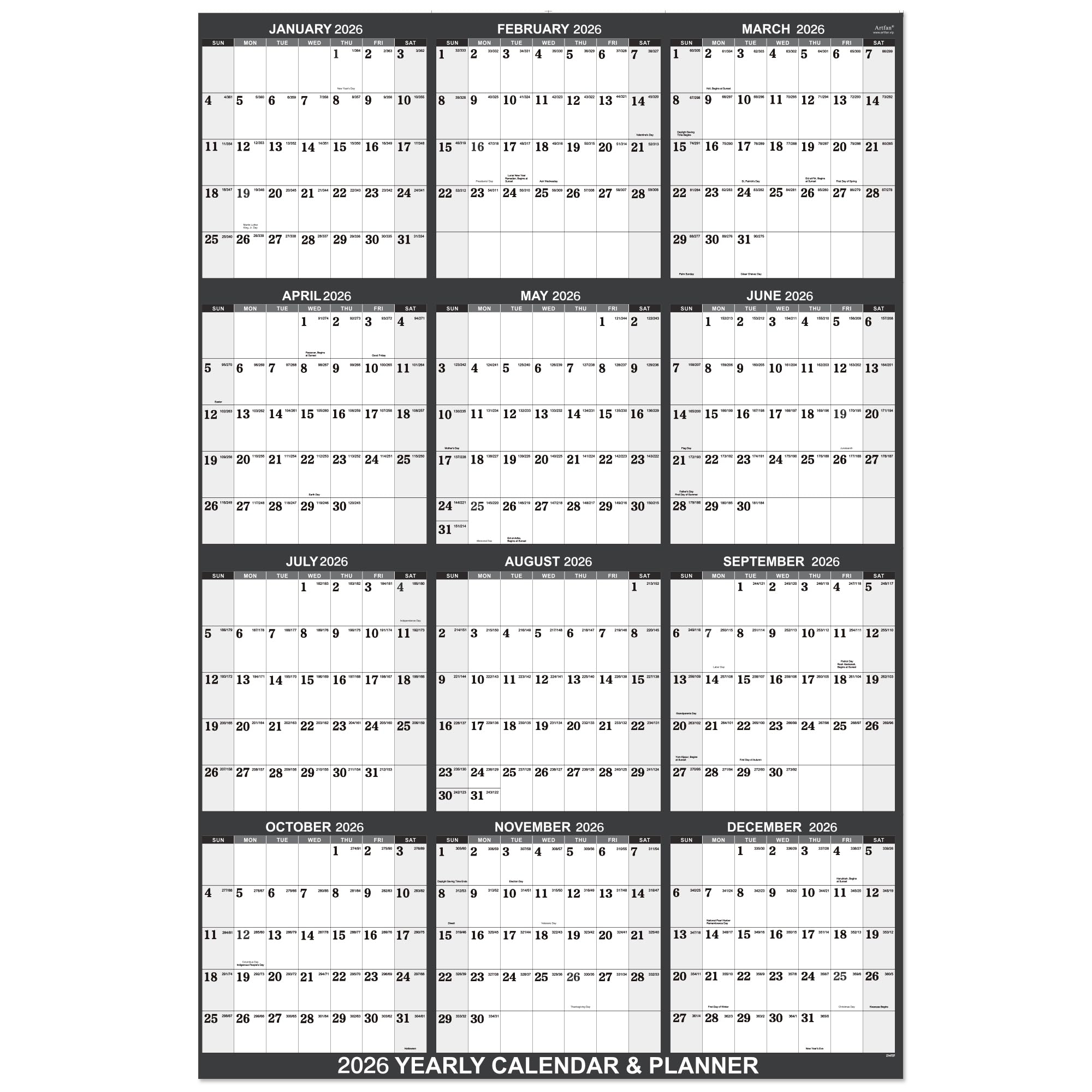
2026 Yearly Wall Calendar 2026 Wall Calendar With Julian Date
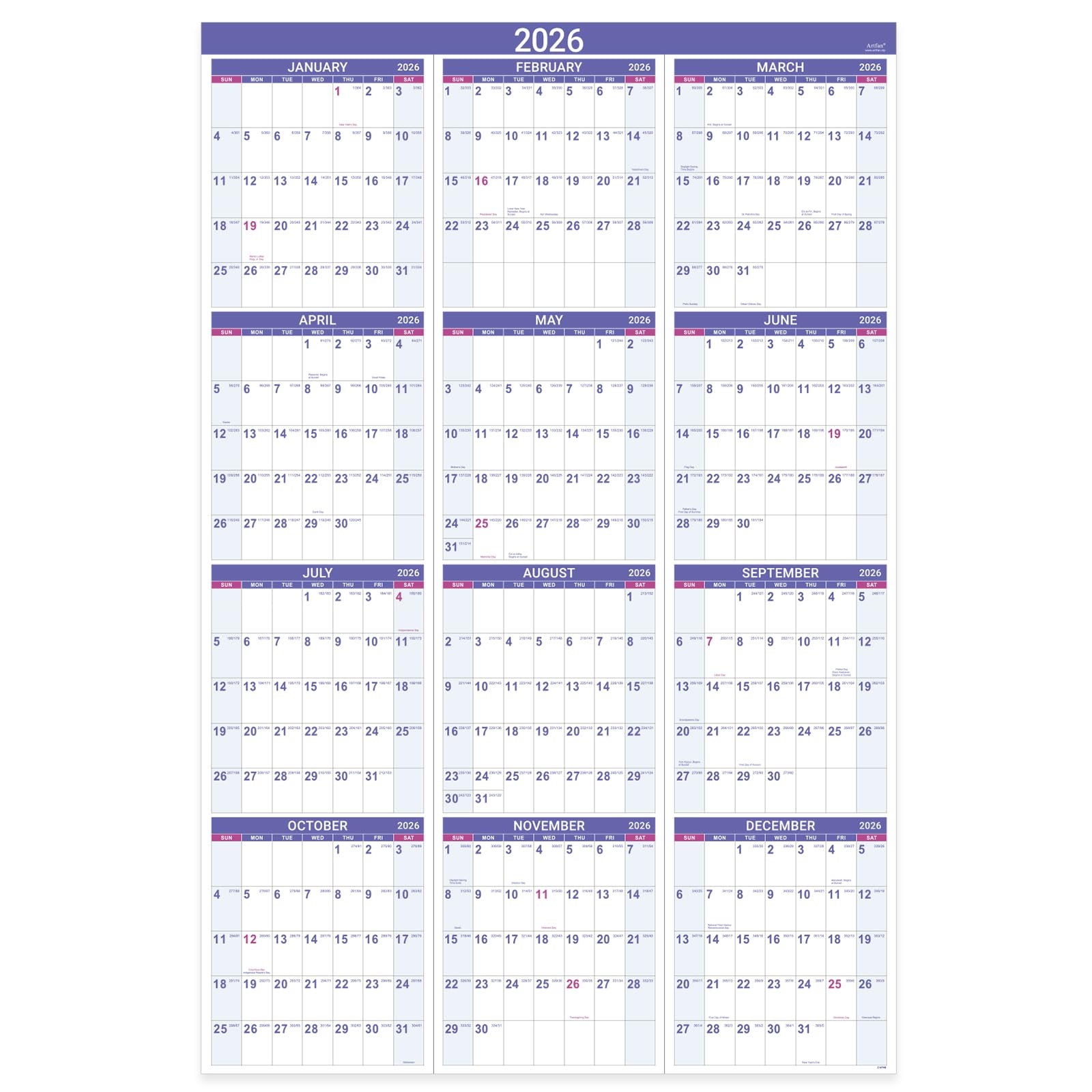
2026 Yearly Wall Calendar 2026 Wall Calendar With Julian Date