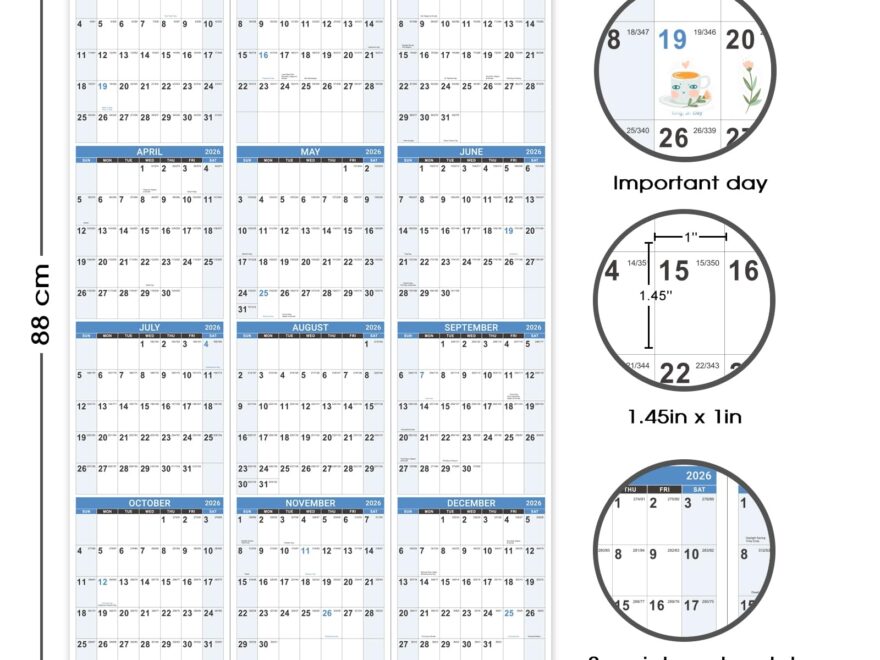
Have you ever wondered about the 2026 Julian Calendar 88 and its significance? This ancient calendar system has a rich history dating back centuries.
Derived from the Roman calendar, the Julian Calendar was introduced by Julius Caesar in 46 BC. It was later refined by Pope Gregory XIII in 1582, leading to the Gregorian calendar we use today.
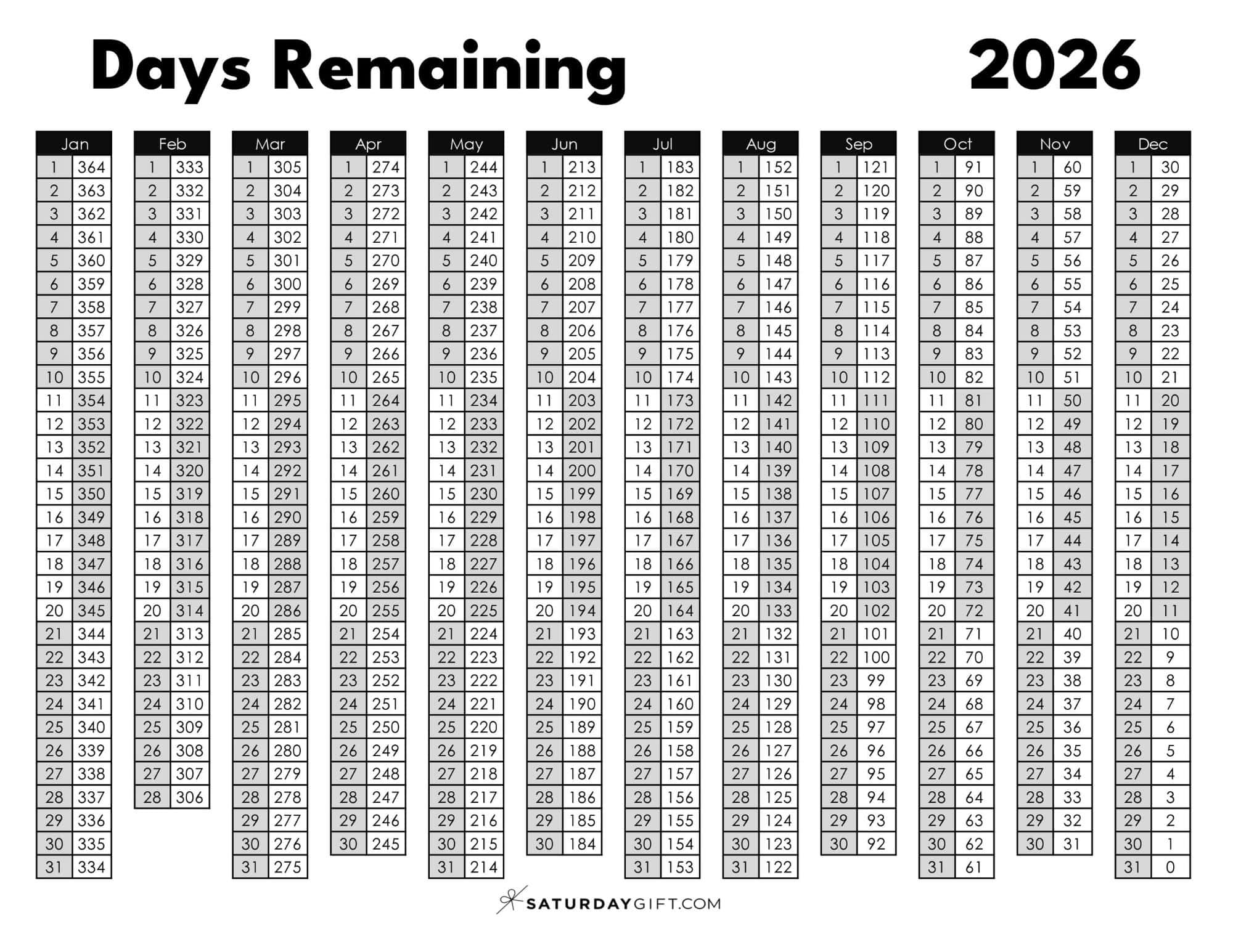
2026 Julian Calendar 88
Exploring the 2026 Julian Calendar 88
The Julian Calendar was based on a 365-day year, with an extra day added every four years to account for the earth’s orbit around the sun. This system, known as the leap year, ensured greater accuracy in measuring time.
In 2026, the Julian Calendar 88 will align with the Gregorian calendar, providing a unique opportunity to compare the two systems. This convergence occurs every 88 years, offering a fascinating glimpse into the evolution of timekeeping.
While the Julian Calendar is no longer widely used, its impact on modern calendars cannot be understated. By exploring its history and significance, we gain a deeper appreciation for the ways in which ancient civilizations measured time and organized their societies.
As we look ahead to 2026 and the convergence of the Julian and Gregorian calendars, let’s take a moment to reflect on the timeless importance of timekeeping and the role it plays in shaping our lives.
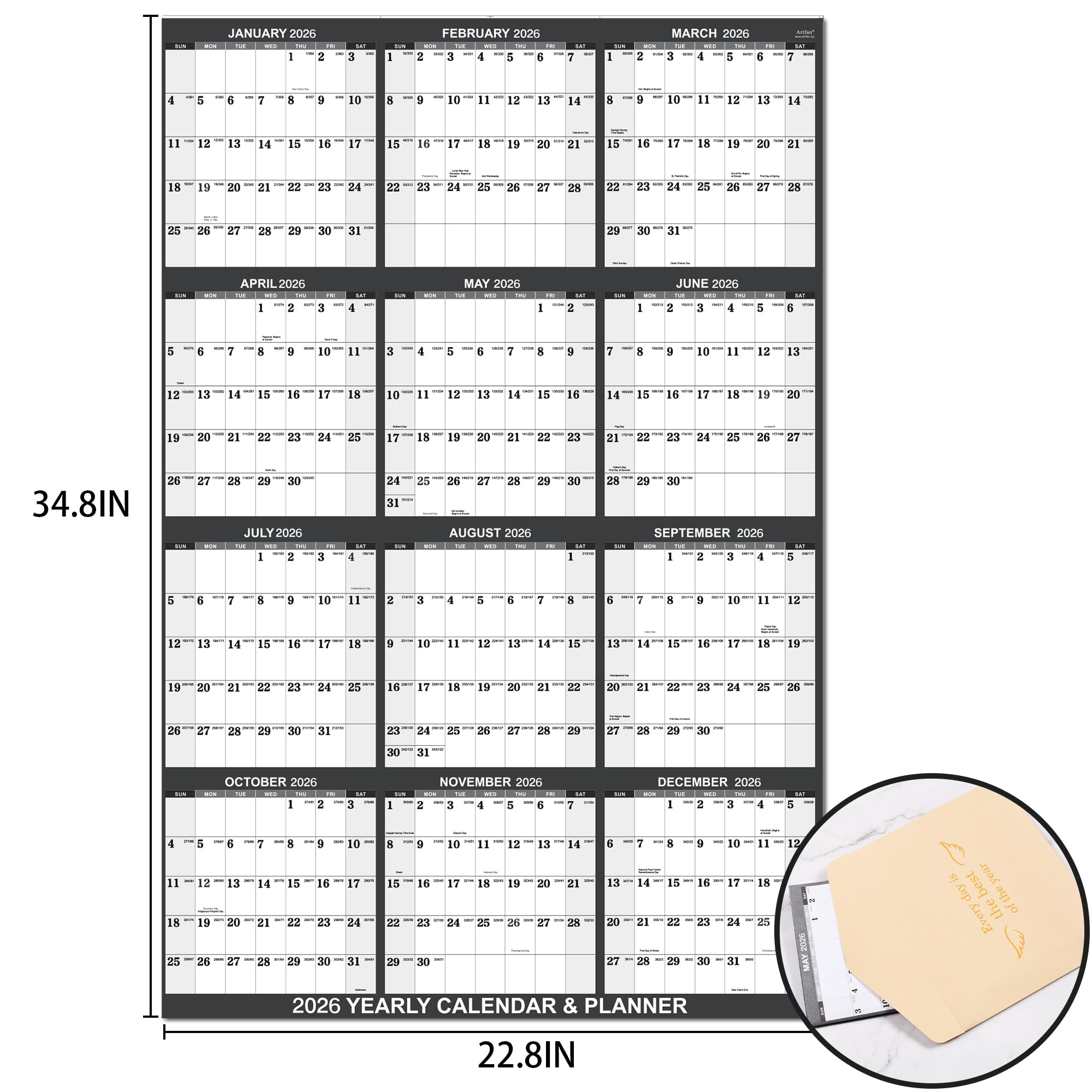
2026 Yearly Wall Calendar Wall Calendar 2026 Yearly Wall
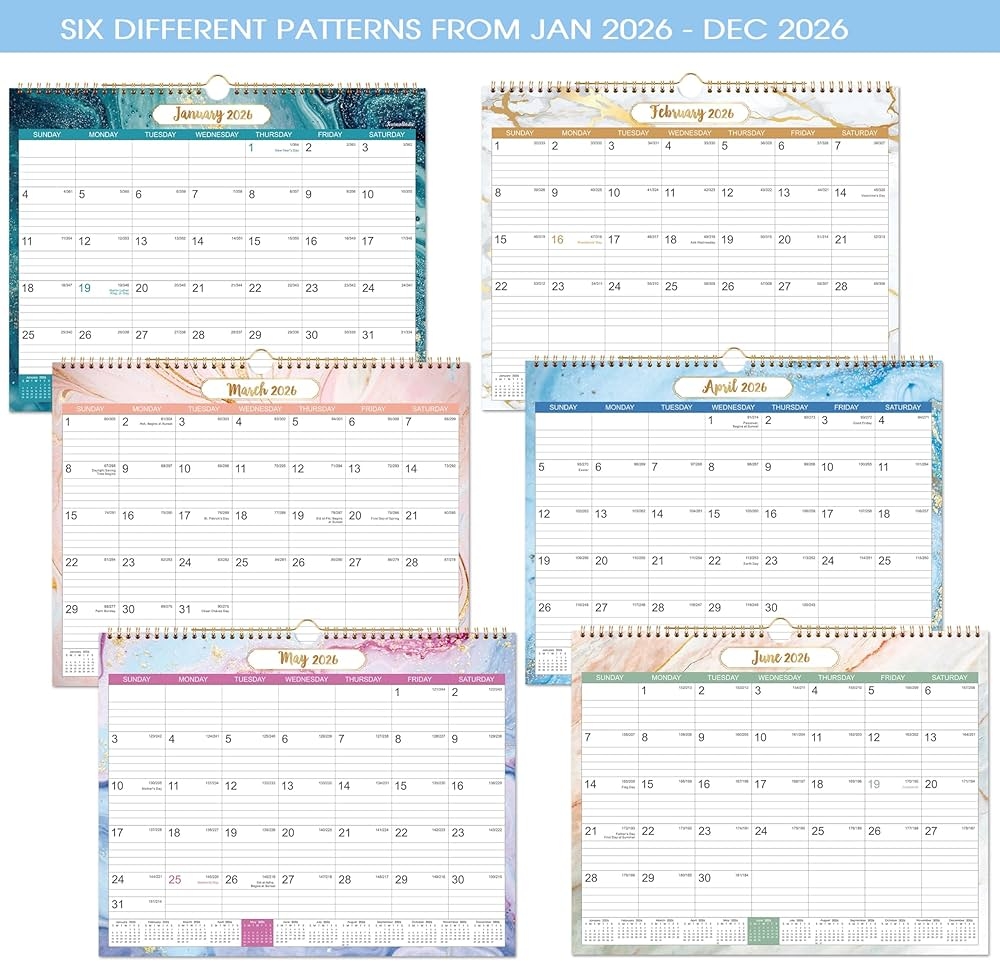
2026 Calendar 2026 Wall Calendar With Julian Date January 2026

Year 88 Calendar Julian Calendar
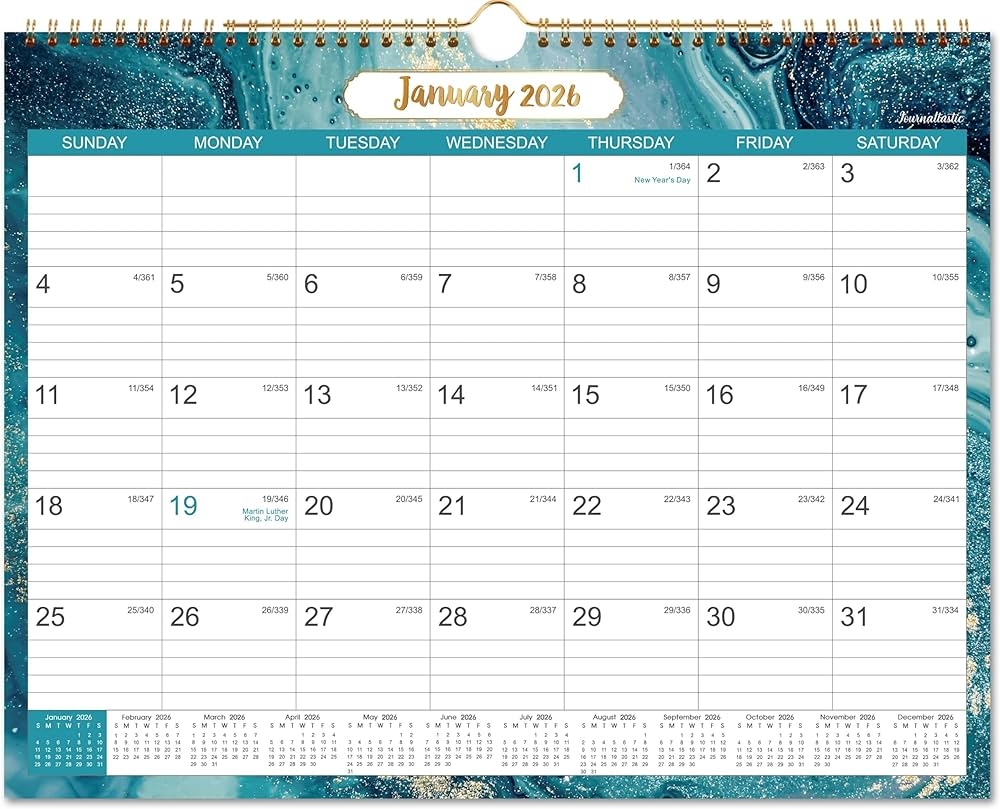
2026 Calendar 2026 Wall Calendar With Julian Date January 2026
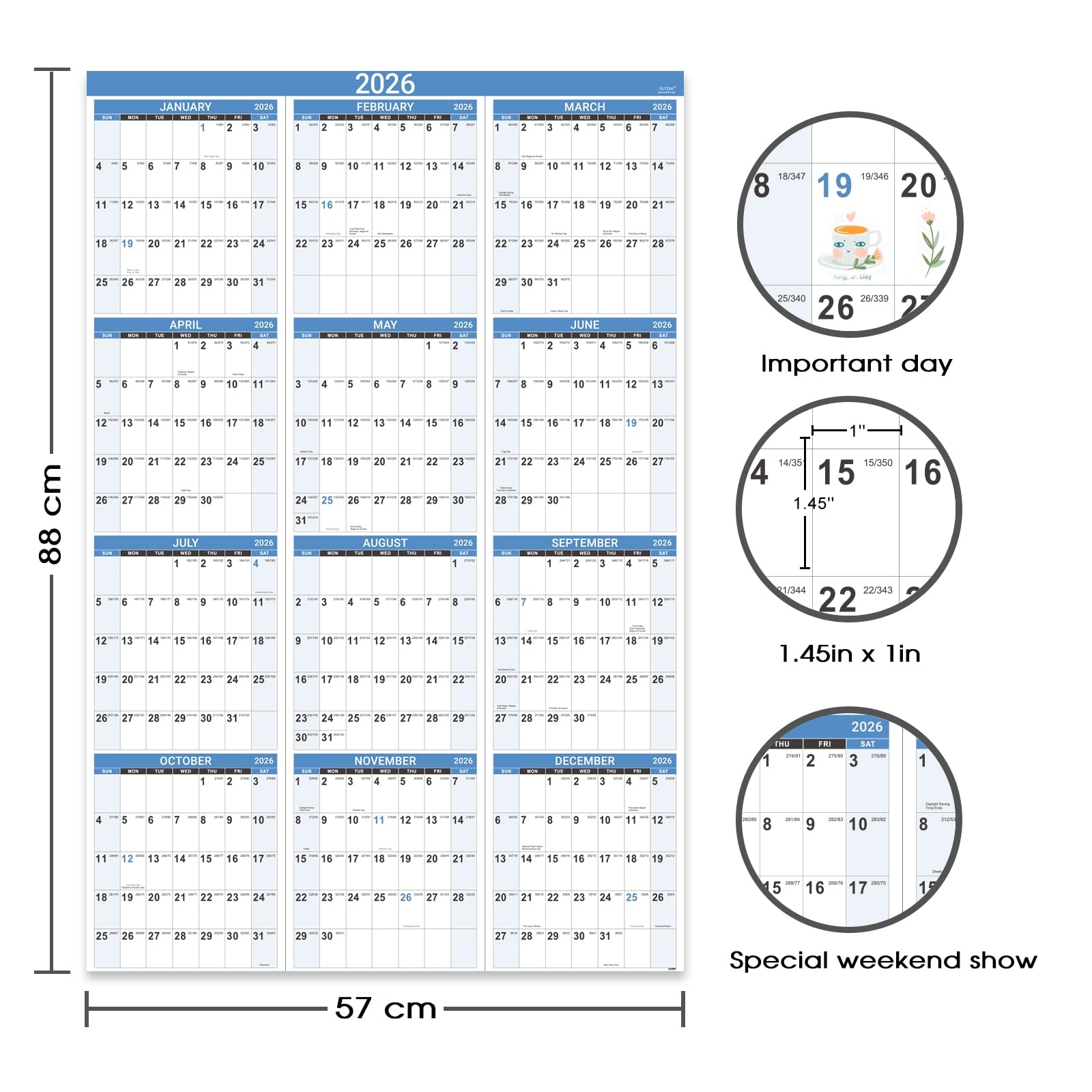
Jahreswandkalender 2025 2026 Jahreswandkalender 2025 2026 2025