Python Subprocess Run Get Output
A printable calendar is an easy-to-use tool that allows you to organize your daily tasks. Regardless of whether you need a minimalist layout or a comprehensive design, these templates give adaptability to fit your academic needs. Many cost-free options are available online, letting you to print editable templates for various purposes. From monthly planners to goal-setting calendars, there is a perfect template for all users.
Using a printable calendar may help you stay organized and control your schedule effectively. Through editable features, you may add key dates, set reminders, and track progress effortlessly. These tools are great for students which require a structured way to manage their tasks. Additionally, a variety of formats are available, allowing you to select a template that matches your needs.

The Subprocess Module In Python Systran Box
On Python 3 7 or higher if we pass in capture output True to subprocess run the CompletedProcess object returned by run will contain the stdout standard output and stderr standard error output of the subprocess p stdout and p stderr are bytes binary data so if we want to use them as UTF 8 strings we have to first decode them Running an External Program. You can use the subprocess.run function to run an external program from your Python code. First, though, you need to import the subprocess and sys modules into your program: import subprocess. import sys. result = subprocess.run([sys.executable, "-c", "print('ocean')"]) If you run this, you will receive output like ...

Make Python Subprocess Run In PowerShell Stack Overflow
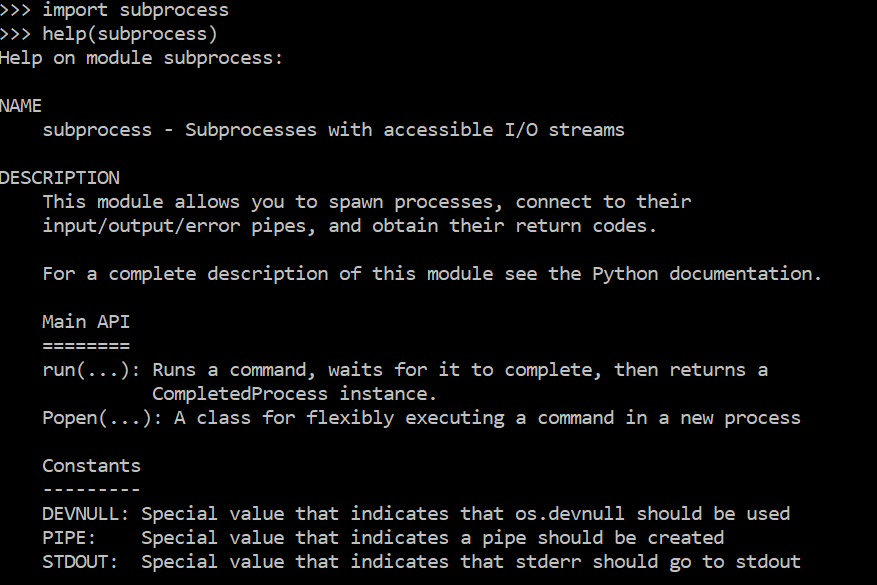
Python Subprocess Run Get OutputThe subprocess module can be used to run command-line tools such as grep, sed, and awk, and process their output in your Python code. For example, you can use the subprocess module to run the "grep" command to search for a specific pattern in a file and then process the output in your Python code. This can be useful for tasks such as log ... Using the subprocess Module The recommended approach to invoking subprocesses is to use the run function for all use cases it can handle For more advanced use cases the underlying Popen interface can be used directly subprocess run args stdin None input None stdout None stderr None capture output False shell False cwd None timeout None check False
Gallery for Python Subprocess Run Get Output
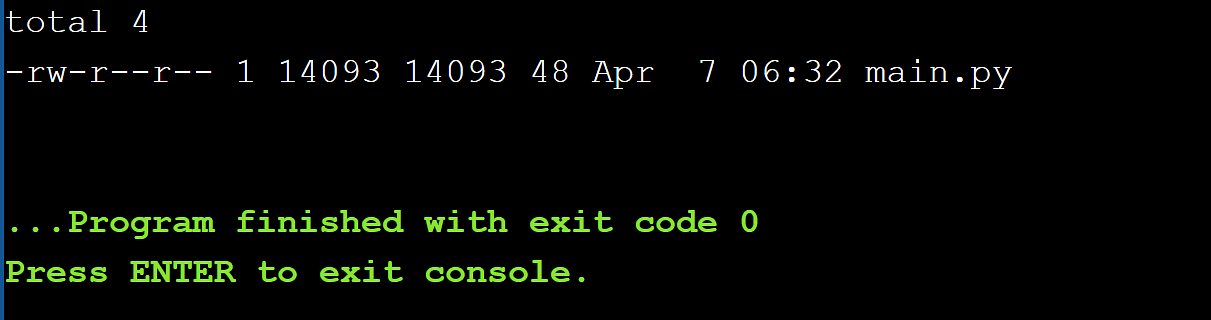
An Introduction To Subprocess In Python With Examples Updated 2022
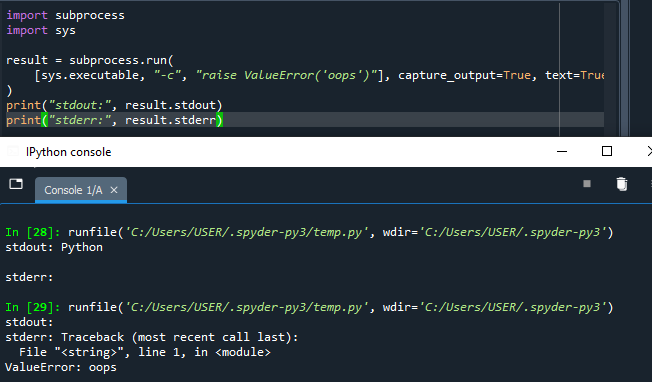
Python Subprocess Get Output Windows Os Statelokasin
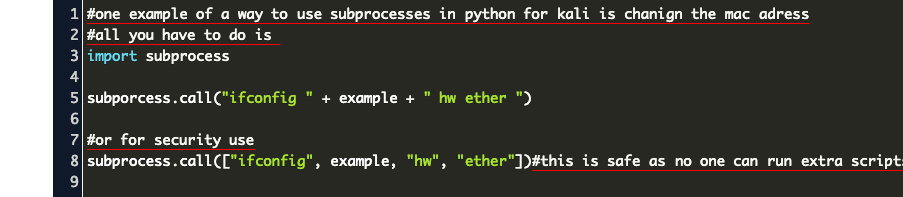
Python Subprocess Run In Background Pokerlokasin
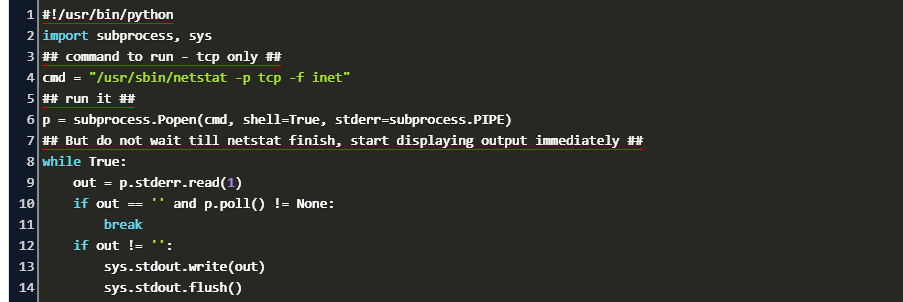
Python Subprocess Call Hide Output Copaxruby

How To Install Subprocess In Python In Linux Systran Box

An Introduction To Subprocess In Python With Examples Simplilearn E Learning Feeds

Get Data Return From Python Subprocess Call Projecthopde
Magass g Adat Munka Python Popen Fegyver Ny gi Lej rt
Python Subprocess Get Output Windows Os Palsholoser

Python Subprocess Get Output And Return Code Duallikos